

Rethinking Workplace Safety
For a long time, workplace safety has been shaped by compliance. Standards, certifications, procedures, and PPE requirements have all played an important role in improving conditions and reducing risk across the construction and industrial sectors.
But for many organisations today, simply meeting requirements is no longer enough. There is a noticeable shift happening. Safety is becoming less about ticking boxes and more about creating environments where people feel genuinely confident in the protection around them.
Beyond the checklist
Traditional safety approaches have always focused on prevention. Training, procedures and protective equipment are all designed to reduce the likelihood and severity of incidents. That foundation is essential, but it has its limits.
Even on well-managed sites, incidents still happen. Slips, trips, falls, and collisions remain one of the biggest causes of workplace injuries across the UK. Traditional PPE helps reduce harm during an incident, but it does not tell anyone that the incident happened.
When something goes wrong, compliance frameworks do not always help us understand what actually happened or how quickly support can be provided. That is where confidence starts to break down.
Where confidence really comes from
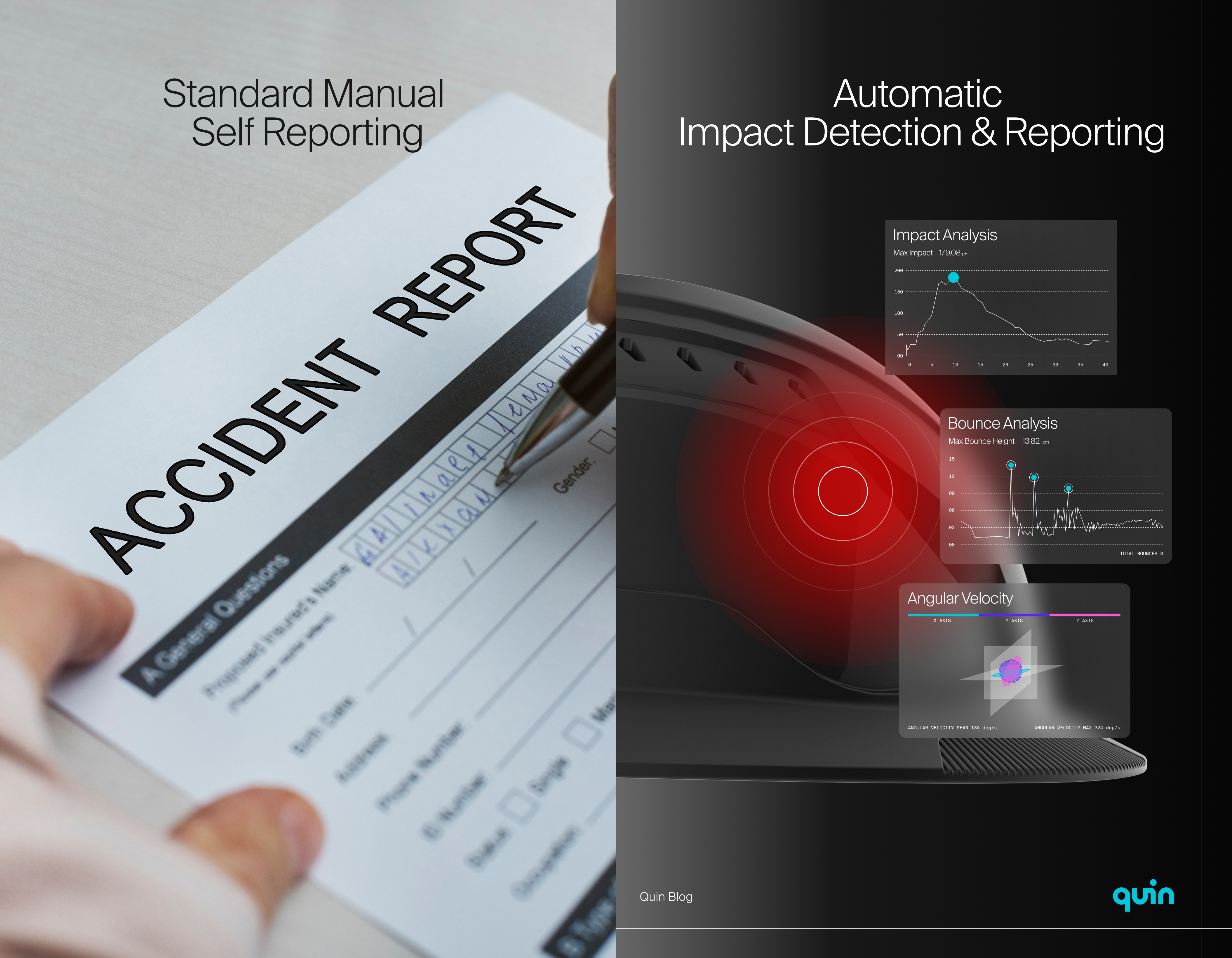
Most safety systems are still reactive. An incident occurs, someone reports it, the details are logged later, and decisions are made afterwards. The problem is that this process depends heavily on people noticing, remembering and reporting accurately.
In reality, many incidents go undocumented or are underestimated. Minor head impacts are brushed off, near misses disappear, and lone-worker incidents can go entirely unseen. That gap between what happens and what is known is one of the biggest challenges facing the industry today.
Confidence in safety comes from visibility. It comes from knowing that if something happens on site, it can be recognised, understood and responded to quickly. Without that visibility, safety teams are often working with incomplete information. Reports can be delayed, details can be unclear, and opportunities to identify wider risk patterns can easily be missed.
Rising expectations from workers
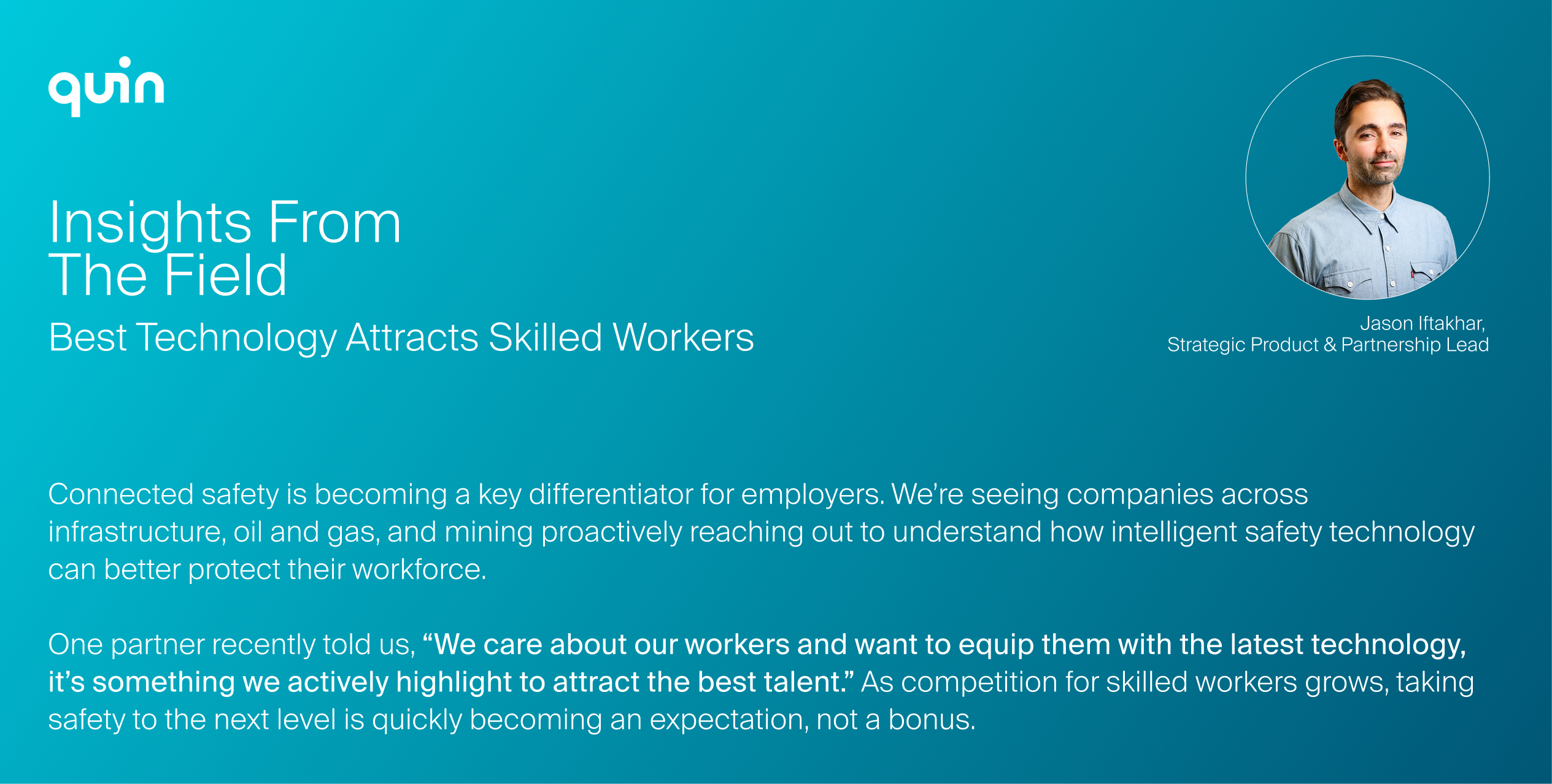
At the same time, expectations around PPE are changing. Workers now expect more from the equipment they wear every day.
A hard hat is no longer viewed purely as a compliance item. Increasingly, employers are looking at how PPE can support wider safety outcomes, including faster emergency response, better reporting and improved incident data.
This shift is already happening across construction, industrial safety, and lone-worker protection. Companies are investing in connected technologies that provide insight into what is actually happening on site, not just what gets written down afterwards.
Providing modern, high-quality protection is no longer just about compliance. It is becoming part of how organisations demonstrate a genuine investment in worker wellbeing and safety culture.
A new role for PPE
This is where the conversation around PPE is evolving. Protective equipment has always been designed to do one thing well: absorb impact and reduce injury. But it has traditionally been passive.
Now, a new layer is being added. Equipment that can detect when something has gone wrong. Equipment that can provide insight into incidents and support faster response when help is needed.
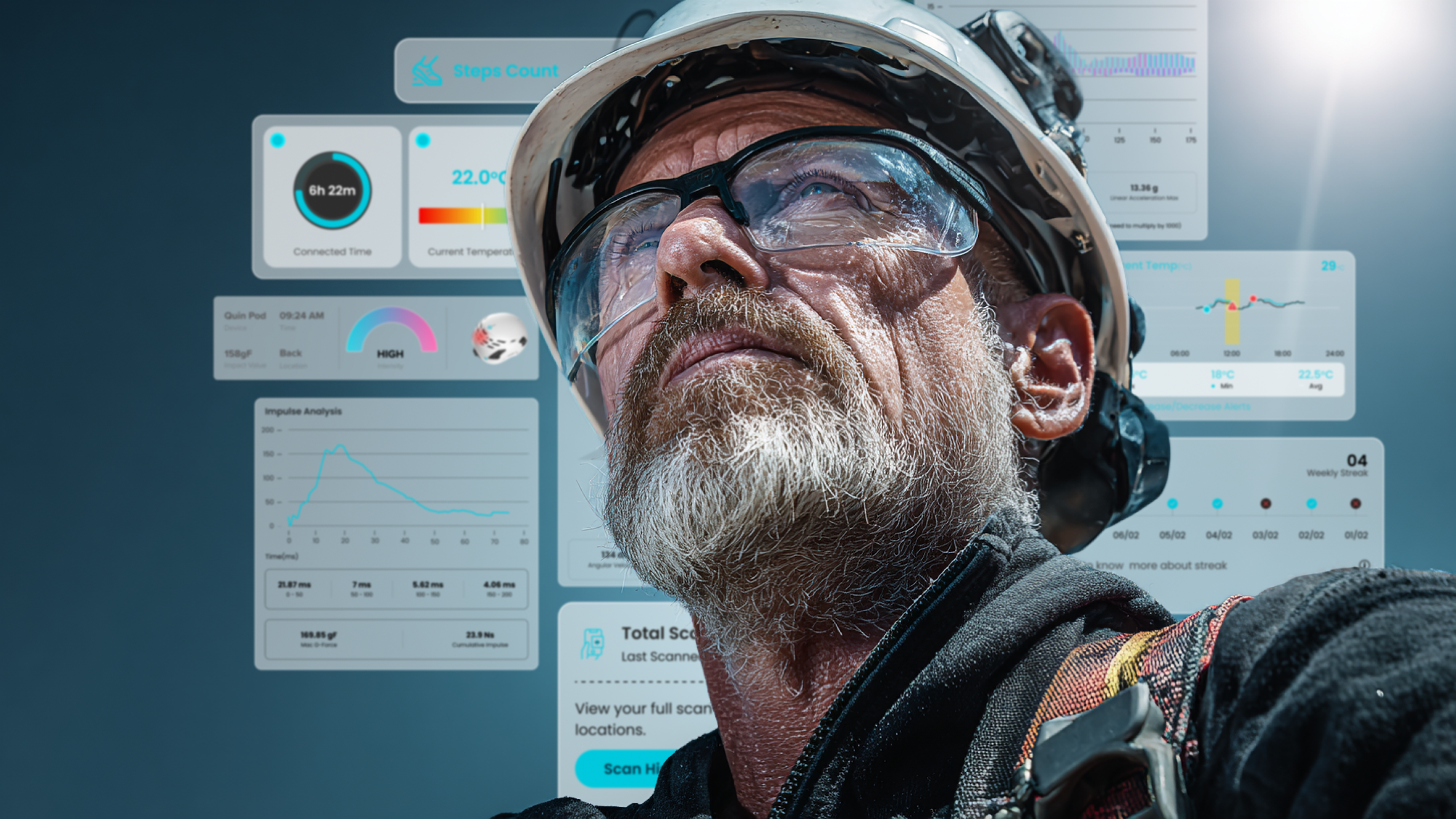
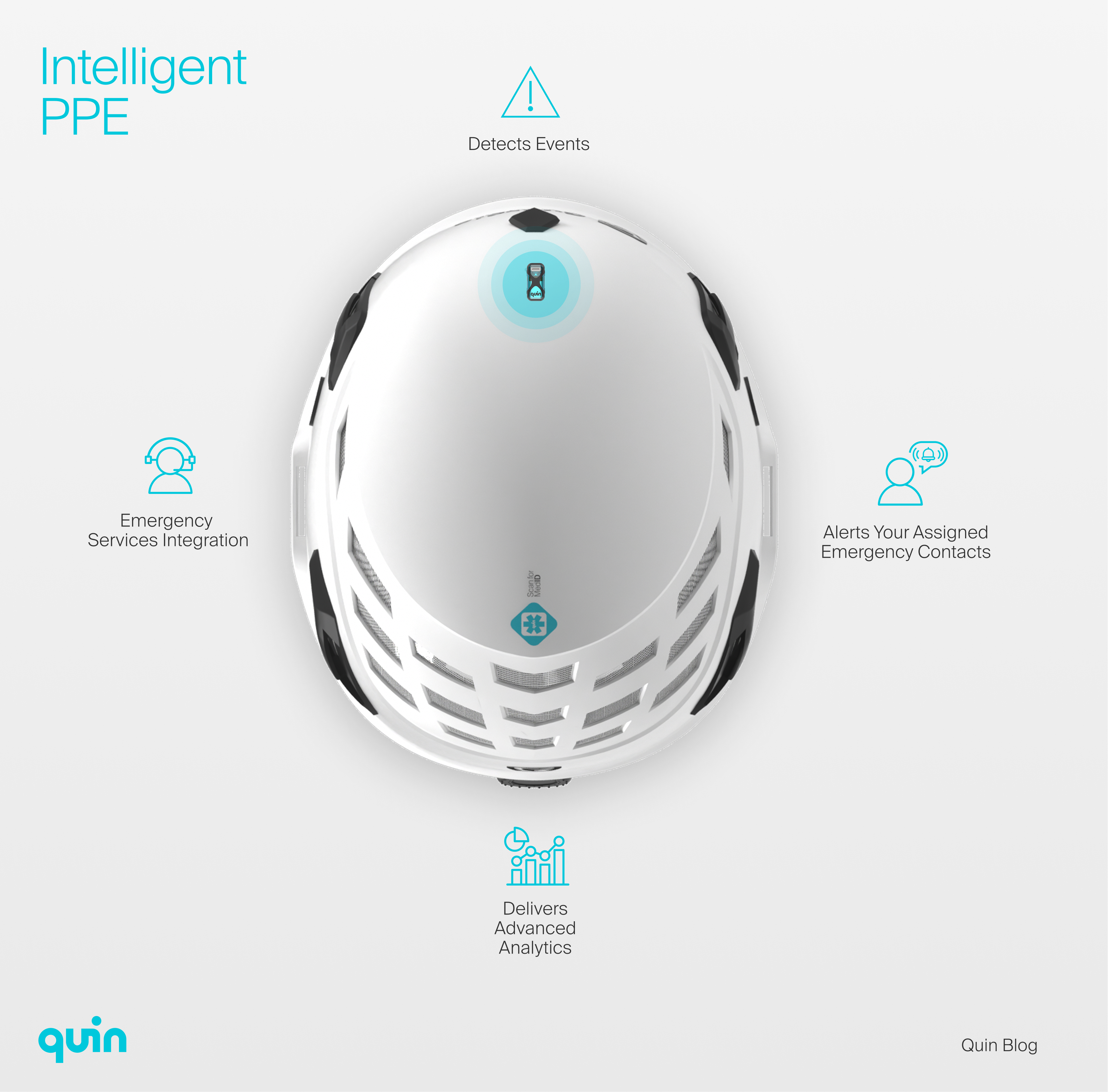
At Quin, we believe safety equipment should do more than absorb impact. The Quin Pod embeds intelligent motion and impact sensing directly into PPE. It can detect slips, trips, falls and collisions in real time while recording movement and impact data thousands of times per second. If a serious incident occurs, the system can automatically alert emergency contacts and provide incident information, including severity and location. This helps reduce the delay between an incident occurring and help arriving.
For lone workers, that time matters. For safety managers, the data matters too.
When incidents are captured automatically, organisations gain a clearer understanding of risk patterns across sites. Near misses and smaller impacts that would previously go unreported become visible. That creates opportunities to improve site layouts, review hazards and strengthen safety procedures using real-world data.
It is not about replacing what already works. It is about building on it.
From compliance to confidence
Moving from compliance to confidence does not require a complete reset. Standards and regulations will always matter because they form the foundation of safer workplaces. But confidence comes from knowing that safety does not stop at prevention alone. It comes from having equipment that can support detection, response and insight when incidents happen.
The next step in workplace safety is not replacing traditional PPE. It is making it smarter, more connected and more responsive to the realities of modern working environments.
Subscribe to the Quin Safety Intelligence Newsletter for more PPE insights: