

How Connected PPE Brings Safety Technology to More Workers
Workers rely on different types of PPE depending on the tasks they carry out. As connected technology expands across helmets, workwear, and footwear, more equipment can help workers get support when something goes wrong. Båstadgruppen’s connected range shows what this growing choice means in practice.
An incident can happen wherever someone is working, whether they wear a safety helmet, protective workwear, or safety footwear. They may be out of sight of colleagues, unable to call for help, or unable to explain their needs to whoever finds them. The equipment required for their role varies, but the need to report an incident and connect with help remains.
Connected PPE adds that capability to equipment workers already wear. Quin provides intelligent safety technology that can detect dangerous events, raise alerts, provide access to medical information, and capture data for later review. Through its work with PPE manufacturers, these functions are reaching a wider range of products, creating more ways to support workers across different tasks and environments.
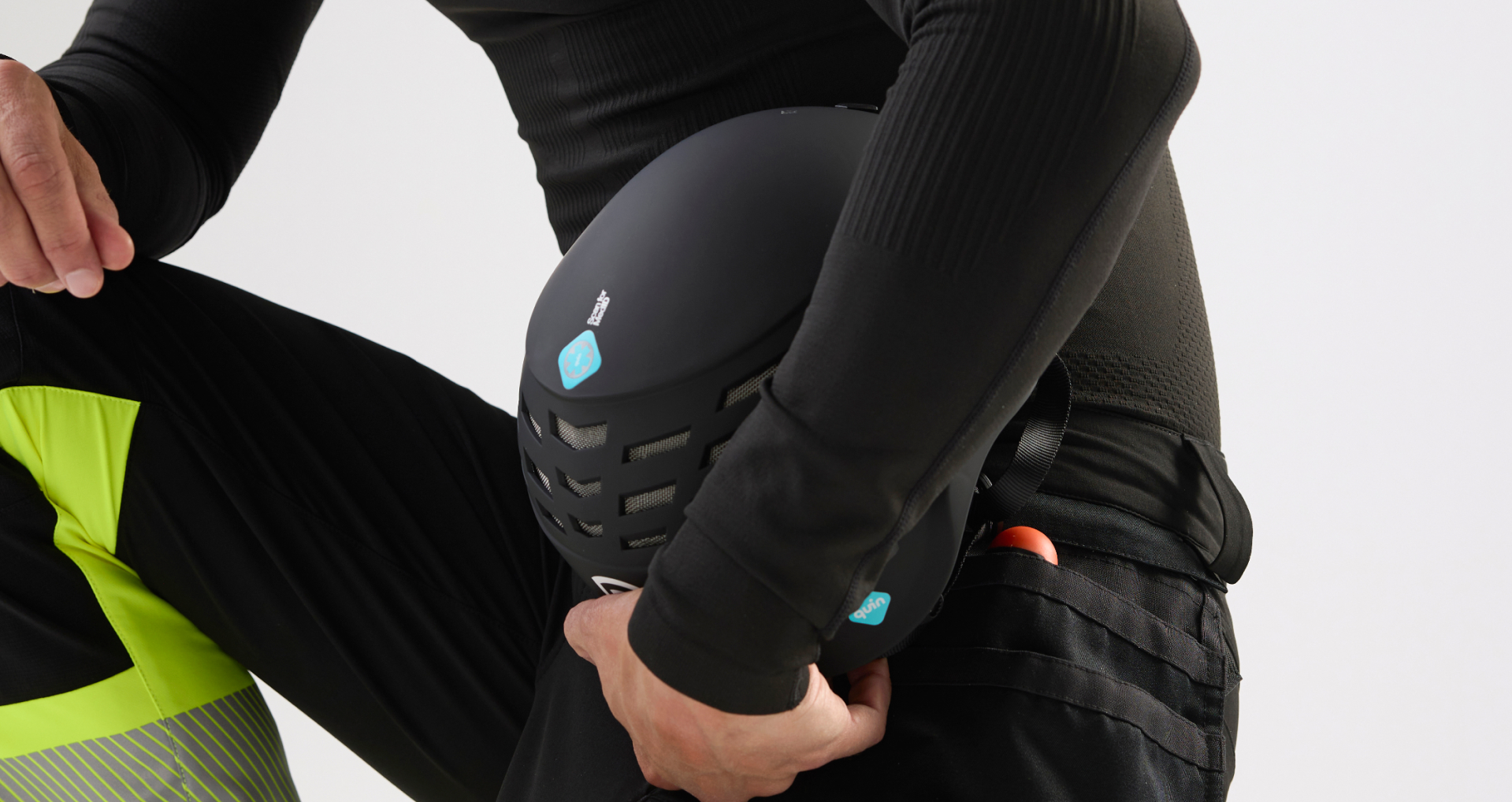
Båstadgruppen is one of Quin’s first partners to bring connected safety technology across head protection, workwear, and footwear. Its range includes Guardio safety helmets, Top Swede workwear, and Monitor safety footwear, showing how the same connected approach can support people across different protective equipment.
Why wider choice matters
Much of the discussion about connected PPE has focused on safety helmets. They offer a clear example of how equipment can combine physical protection with technology that recognises an impact and starts the alert process. But a helmet is only one part of the PPE workers may use, and some roles require other protective equipment throughout the working day.
A maintenance engineer may move between areas with different PPE requirements, while an employee handling materials may rely on protective workwear and safety footwear. For employers considering connected safety, the useful starting point is the work people do and the support they might need after an incident. Extending technology across more PPE types gives them more equipment options suited to those tasks.
This is the significance of a head-to-toe connected range. It describes the breadth of available choices, allowing connected capabilities to sit within different PPE items. Employers can consider where automatic detection, accessible medical information, or a route to request help would be useful across their workforce.
How connected PPE supports the worker
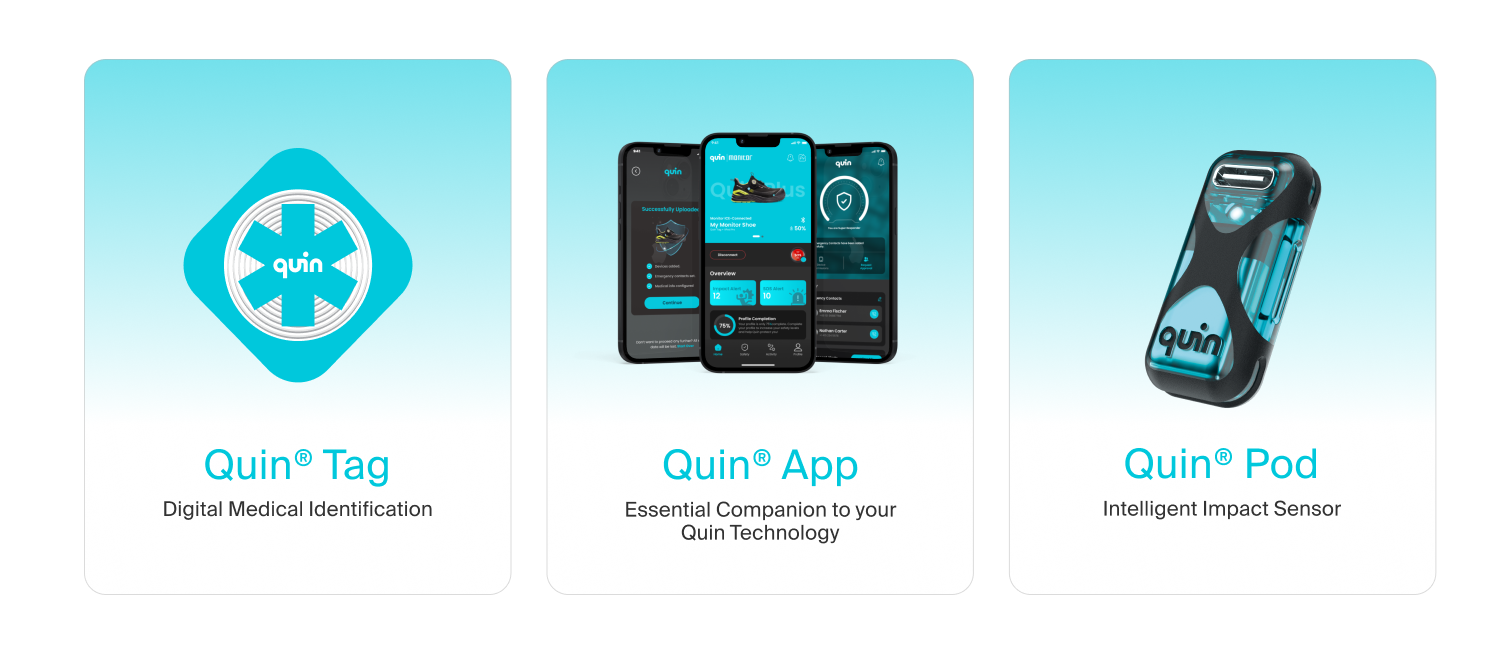
Connected PPE uses digital technology to capture, share, or provide access to safety information. Quin brings these capabilities together through the Quin Pod, Quin Tag, and Quin Within app, each with a distinct role. Understanding those roles helps employers assess what a particular connected product can provide.
The Quin Pod captures motion and impact data, which its algorithms analyse to recognise dangerous events, including slips, trips, falls, and collisions. When it detects a significant event, it works with the Quin Within app to automatically alert the worker’s chosen emergency contacts. Information including location and event severity helps those contacts understand where assistance may be needed, even when the worker cannot raise the alarm themselves.
The Quin Tag provides Digital Medical ID, making the information a worker has chosen to supply accessible through a smartphone scan. Someone assisting them can view relevant medical and emergency contact details and raise a Help Request on their behalf. This gives the person attending to the worker access to information and a way to start the alert process when communication is difficult.
The Quin Within app is the essential companion for the Pod and Tag, enabling workers to manage their equipment, emergency contacts, and Digital Medical ID, while delivering alerts, event information, and insights. The Pod and app can detect an event and begin the alert process independently of the Tag. The Tag adds a separate route to information and assistance, giving connected PPE complementary ways to support the worker.
A head-to-toe approach in practice
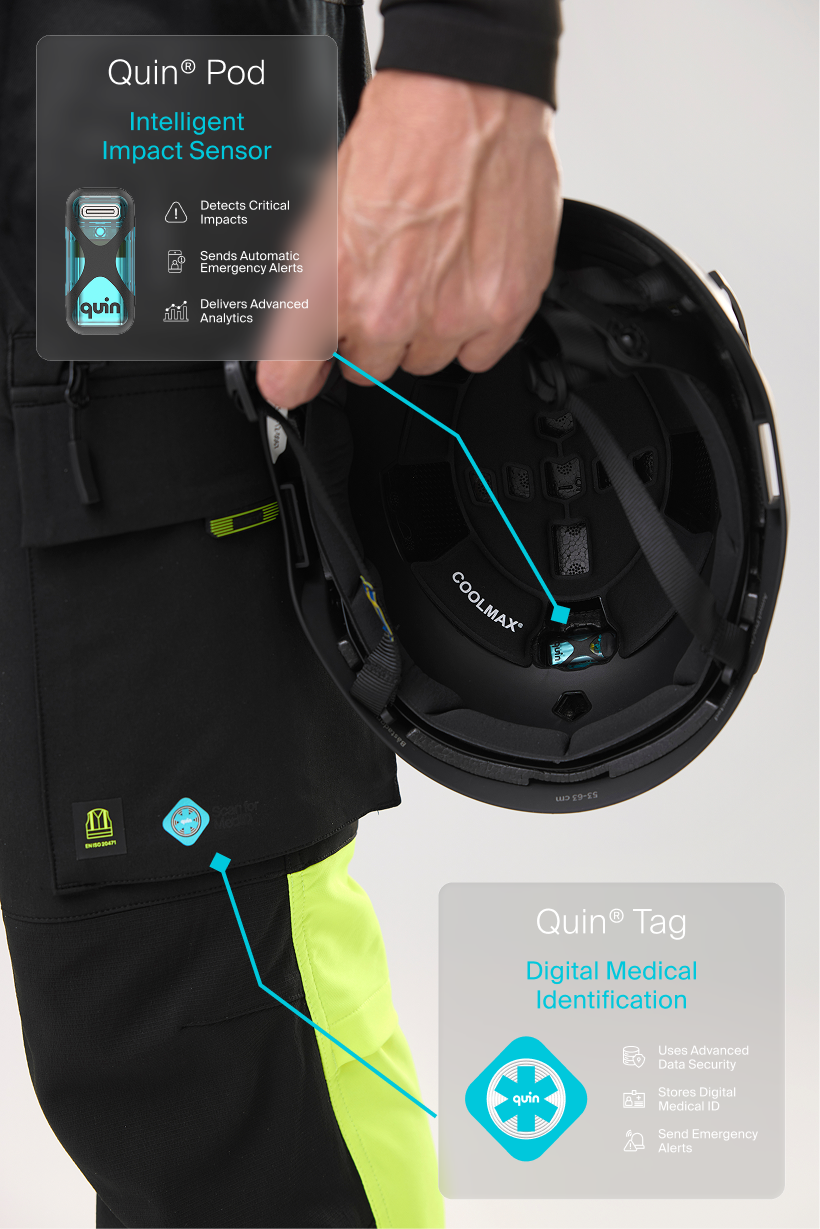
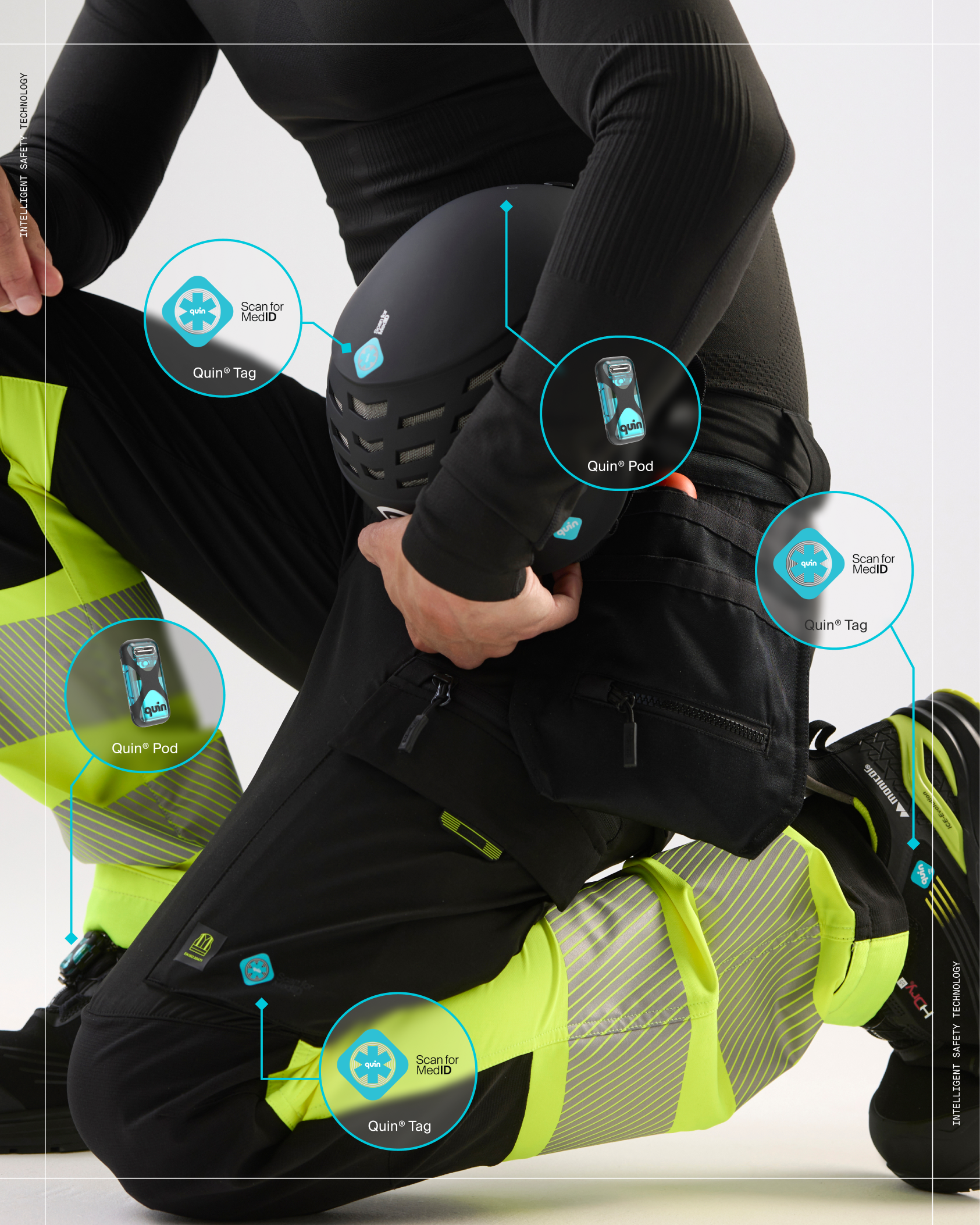
Båstadgruppen’s range shows how these functions can sit within familiar protective products. Quin-equipped Guardio Armet PRO safety helmets combine intelligent event detection with digital medical identification. Top Swede workwear brings the Quin Tag into clothing, while Quin-equipped Monitor safety footwear combines the Pod’s detection capability with the Tag’s accessible information and Help Requests.
The distinction between these functions is important. Tag-enabled workwear gives someone assisting the worker access to information and a route to request help. Products with a Pod add automatic event detection through the app, with footwear applications including fall-from-height detection. The range therefore gives employers different connected capabilities to consider within the PPE their workers require.
For Båstadgruppen, bringing these applications together demonstrates a wider role for its protective equipment. For workers, it creates more opportunities to access Quin technology through products relevant to their working day. Quin’s applications are also expanding into areas such as harnesses, showing how connected safety continues to evolve across different forms of PPE.
Turning connection into useful support
Connected capabilities become most useful when people understand how to use the information they provide. Workers need to set up their equipment and app, choose their emergency contacts, and maintain the details they wish to share. Those receiving alerts need to understand how to respond within the organisation’s emergency arrangements, while people assisting workers need to recognise the Tag and know how to access it.
The value also extends beyond the initial response. When an incident is unwitnessed or a worker cannot clearly remember what happened, safety teams may have limited information for their review. The Quin Pod captures motion and impact data during the event, providing objective information about the movement and recorded impact severity. This adds context to worker feedback, witness accounts, and observations of the working environment, helping teams understand an event beyond how it appeared or was recalled afterwards.
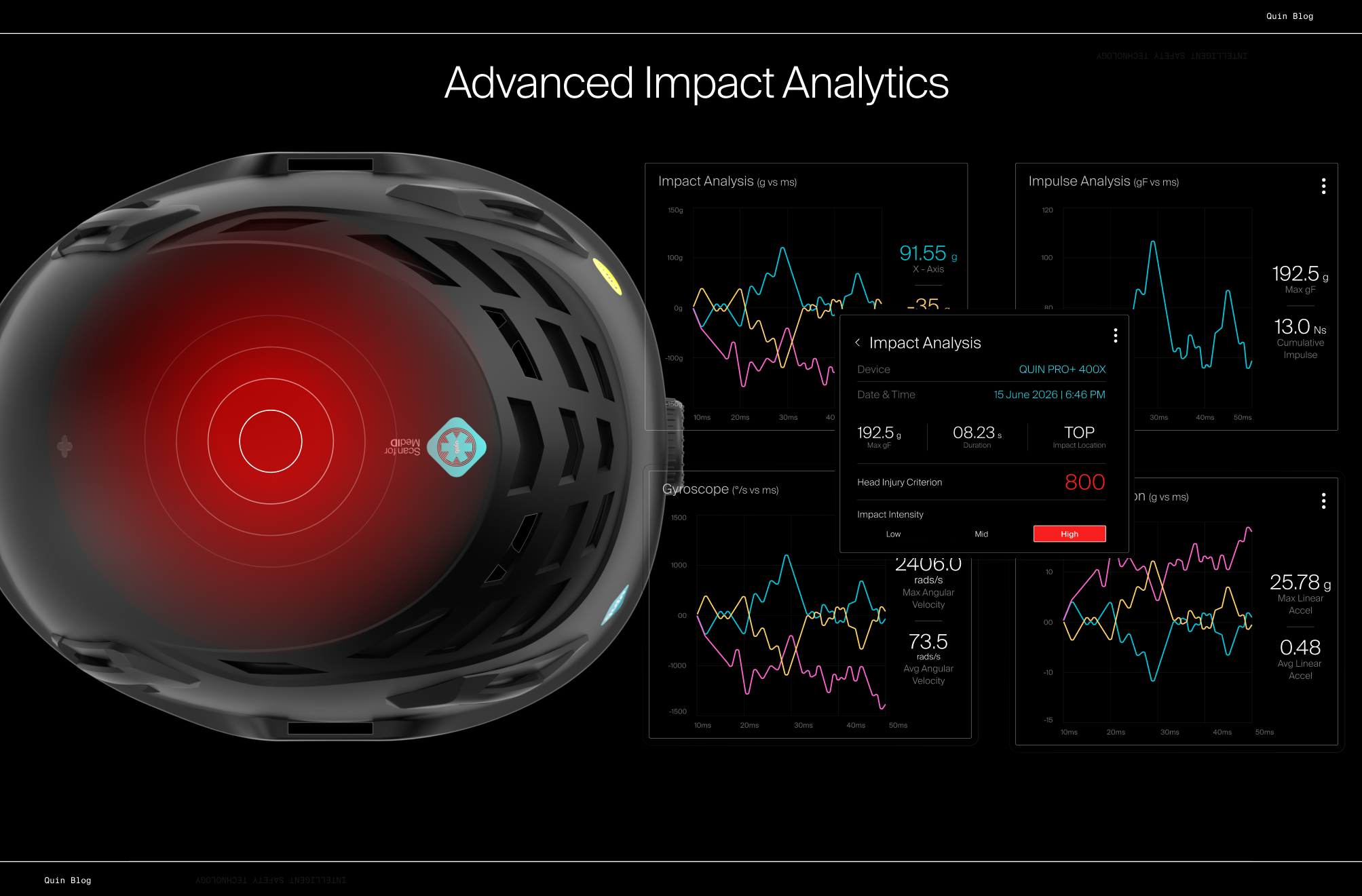
Through the Quin Within app, event data and analytics can also help safety teams see whether similar incidents recur. Events linked to a particular task or location can prompt closer investigation into work methods, access arrangements, or site conditions. The goal is to use the captured information to guide practical improvements in workplace safety.
As connected PPE develops across helmets, workwear, and footwear, employers can consider which capabilities best support the people doing the work. Båstadgruppen’s head-to-toe range demonstrates how Quin technology can reach different working roles through equipment workers already rely on. That wider choice gives PPE an active role in identifying incidents, connecting workers to assistance, and providing information that supports safer decisions.
To learn more about connected PPE, visit Quin within PPE and subscribe to the Quin Safety Intelligence Newsletter for further PPE insights.