

How Connected PPE Is Revealing Hidden Safety Risks on Site
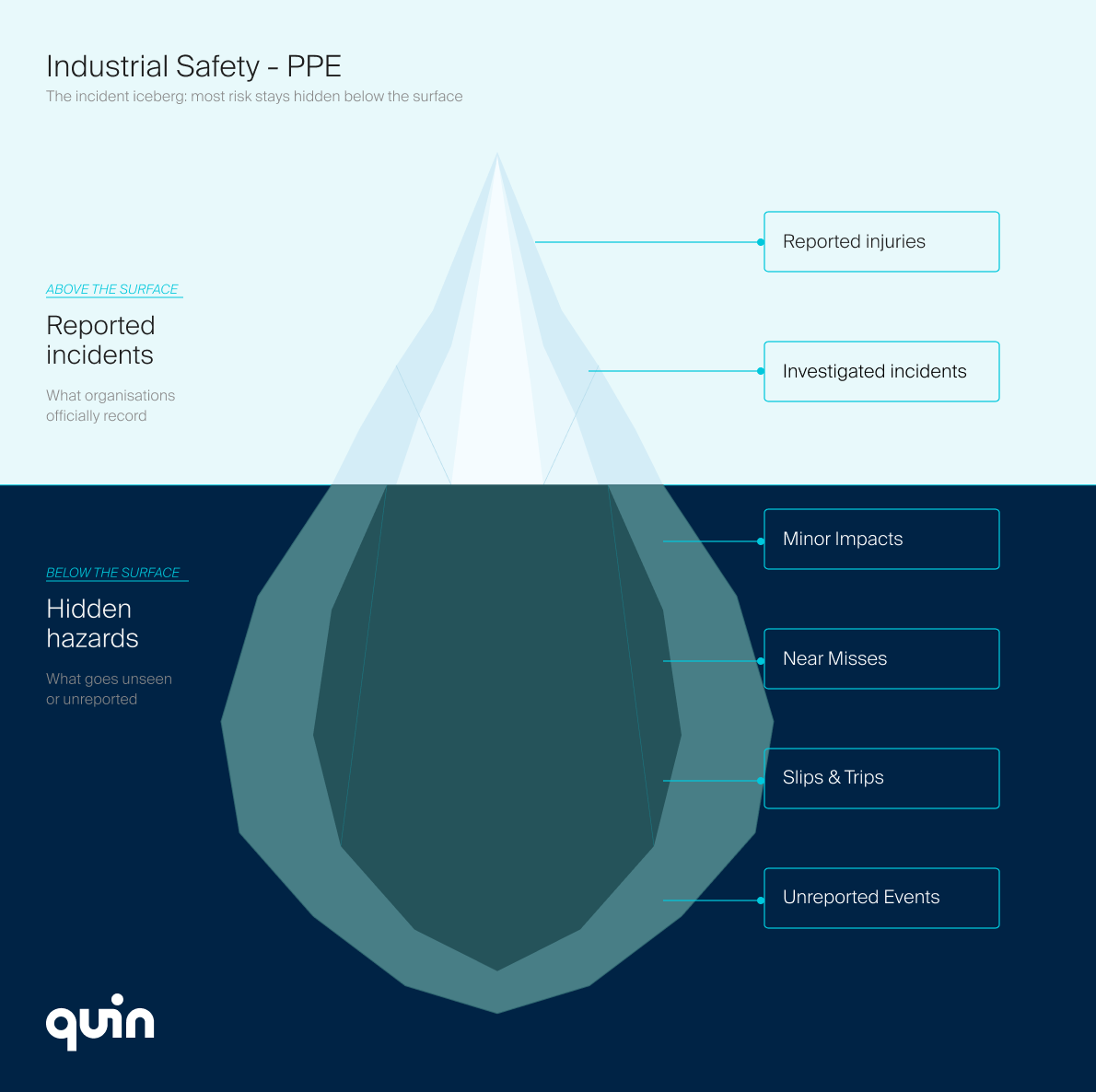
In workplace safety, attention naturally focuses on incidents that result in injury. These events are investigated, recorded and reviewed to prevent them from happening again. The challenge is that serious incidents are rarely isolated events. They are often preceded by dozens of smaller impacts, slips, trips, falls and near misses that never appear in a report.
Even when an incident is witnessed, understanding what actually happened is not always straightforward. An impact that appears minor may involve far greater force than anyone realised, while another that looks more dramatic may present a lower level of risk. Without objective data, organisations often rely on assumptions rather than evidence when deciding what action to take.
Many events go unnoticed. Others are considered too minor to mention. Some happen when no one else is around to witness them. As a result, organisations can be left managing risk with only part of the picture. If we want to improve safety outcomes, we need to look beyond reported incidents and pay closer attention to the events that precede them.
The Limits of Traditional Reporting
Most workplace safety systems rely on people reporting what happened. This approach has helped improve safety standards across many industries, but it is not without limitations. Workers are busy. Supervisors cannot be everywhere at once. Minor incidents are often dismissed because there is no obvious injury or disruption to work.
Even when an incident is reported, there can still be uncertainty. Witnesses can describe what they saw, but they cannot always accurately judge the severity of an impact. A falling tape measure, for example, may appear insignificant but generate a greater force than expected. Equally, an impact that looks serious may prove to be less severe. Without objective data, these decisions rely on perception rather than evidence.
In some cases, workers may not realise the significance of an impact. In others, they may simply move on and continue with the task at hand. The result is that organisations often have excellent data on serious incidents but very little information about the smaller events that occur every day or how severe they actually were. Without that information, important patterns can remain hidden and opportunities to learn may be missed.
Why Near Misses Matter
Safety professionals have long understood the value of near-miss reporting. A near miss provides an opportunity to identify hazards and improve processes before somebody gets hurt. The challenge is that near-miss reporting relies on observation and action. Somebody must see the event, recognise its significance and take the time to record it.
Consider a worker who slips while carrying equipment but regains their balance before falling. A contractor who receives a knock to their helmet from a falling tool but continues working. A lone worker who trips in a remote area of the site, with no one else present. None of these events may result in an injury. Each of them could still provide valuable information about risk.
When these incidents are missed, organisations lose the opportunity to learn from them.
What Happens When PPE Starts Collecting Data?
For decades, personal protective equipment has been designed to provide physical protection. Hard hats protect the head. Safety footwear protects the feet. Gloves protect the hands. Today, connected technologies are creating opportunities for PPE to do more.
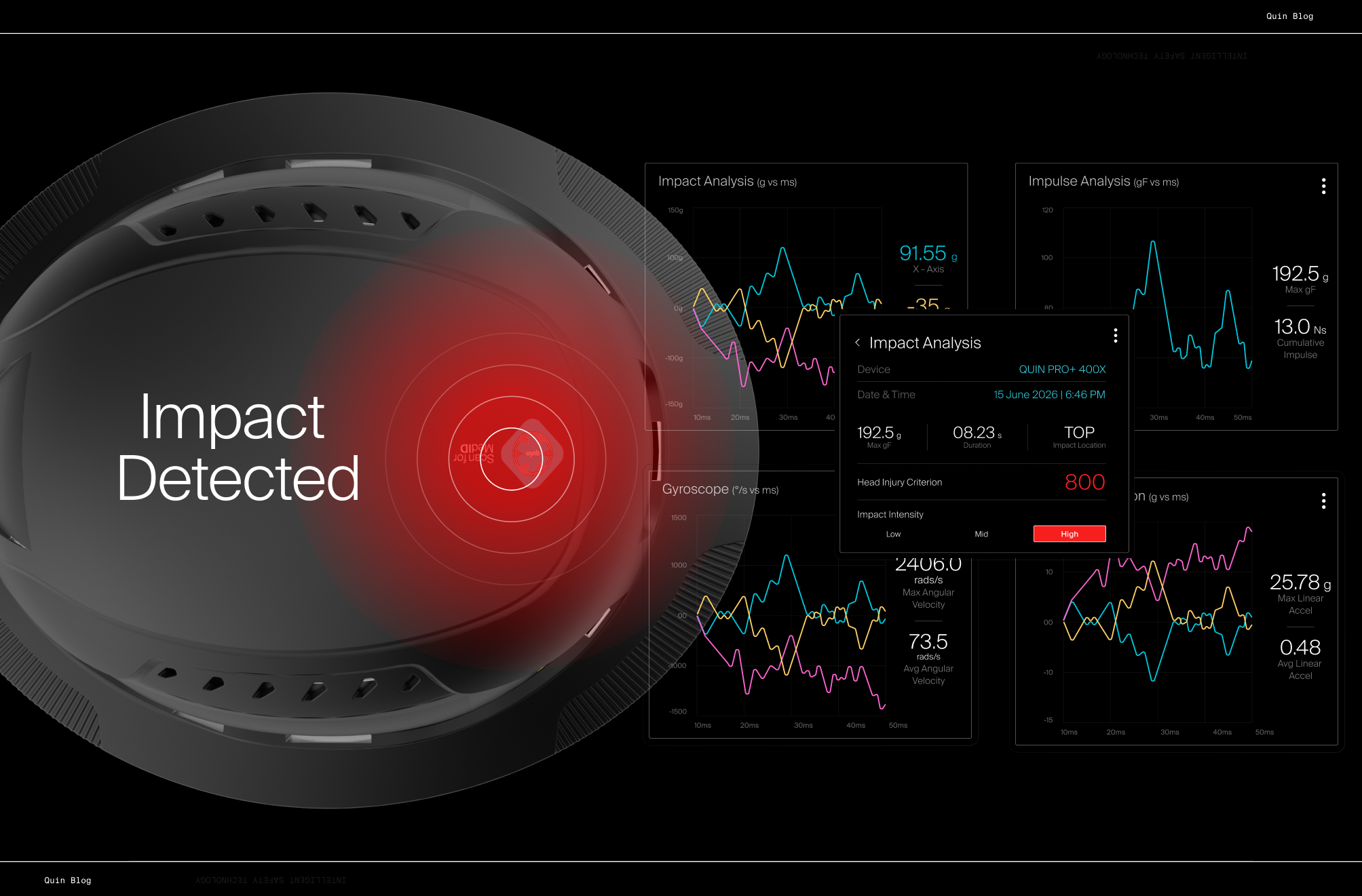
Advanced sensors can detect movement, impacts and changes in conditions. They can identify when an event has occurred and record information that would otherwise be lost. Instead of relying entirely on manual reporting, organisations can begin building a more complete understanding of what is happening across their workforce.
This shifts the focus from relying solely on reported incidents to understanding actual safety events. Rather than asking workers to remember and report what happened, the technology captures objective information at the point of the event.
Seeing the Unseen
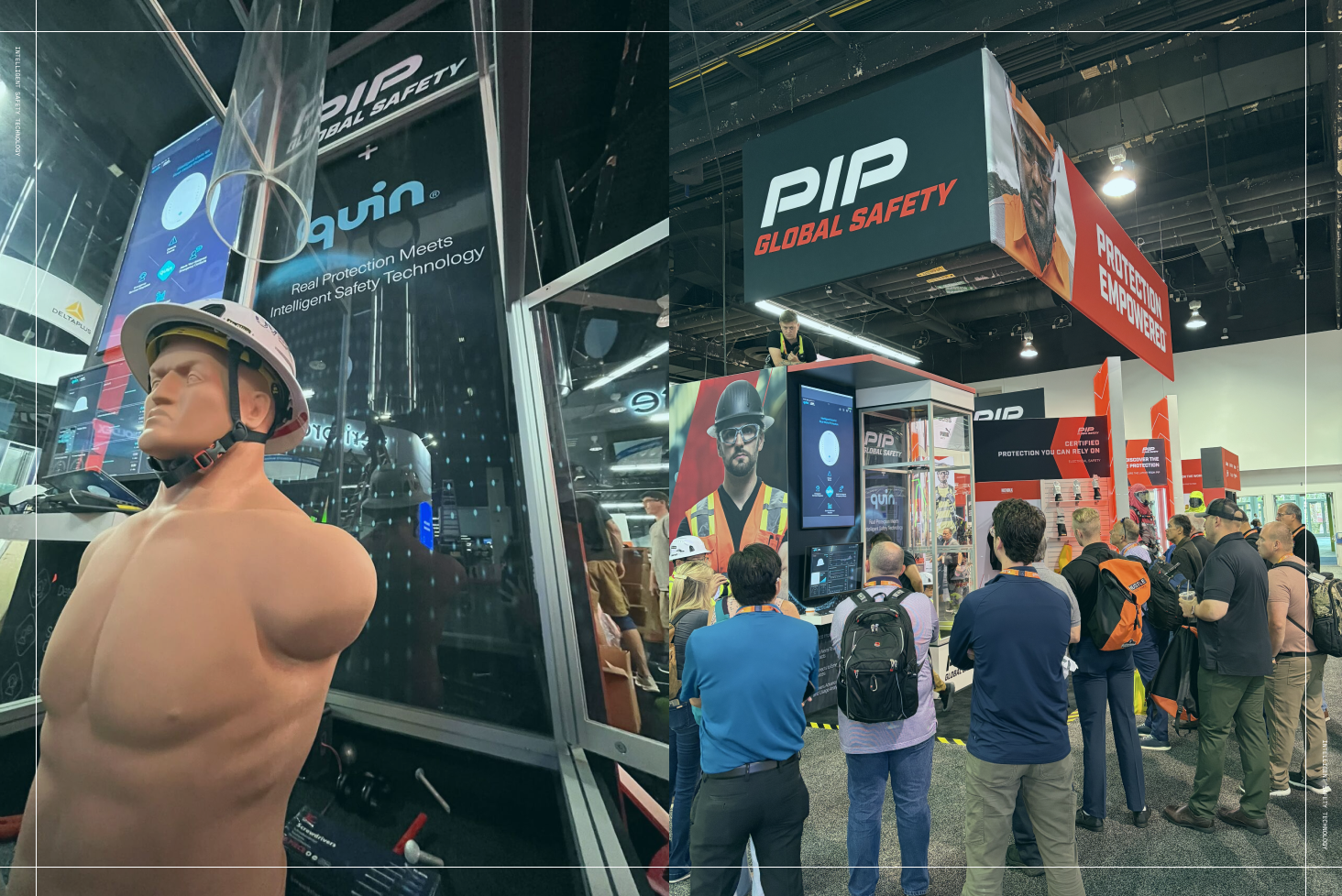
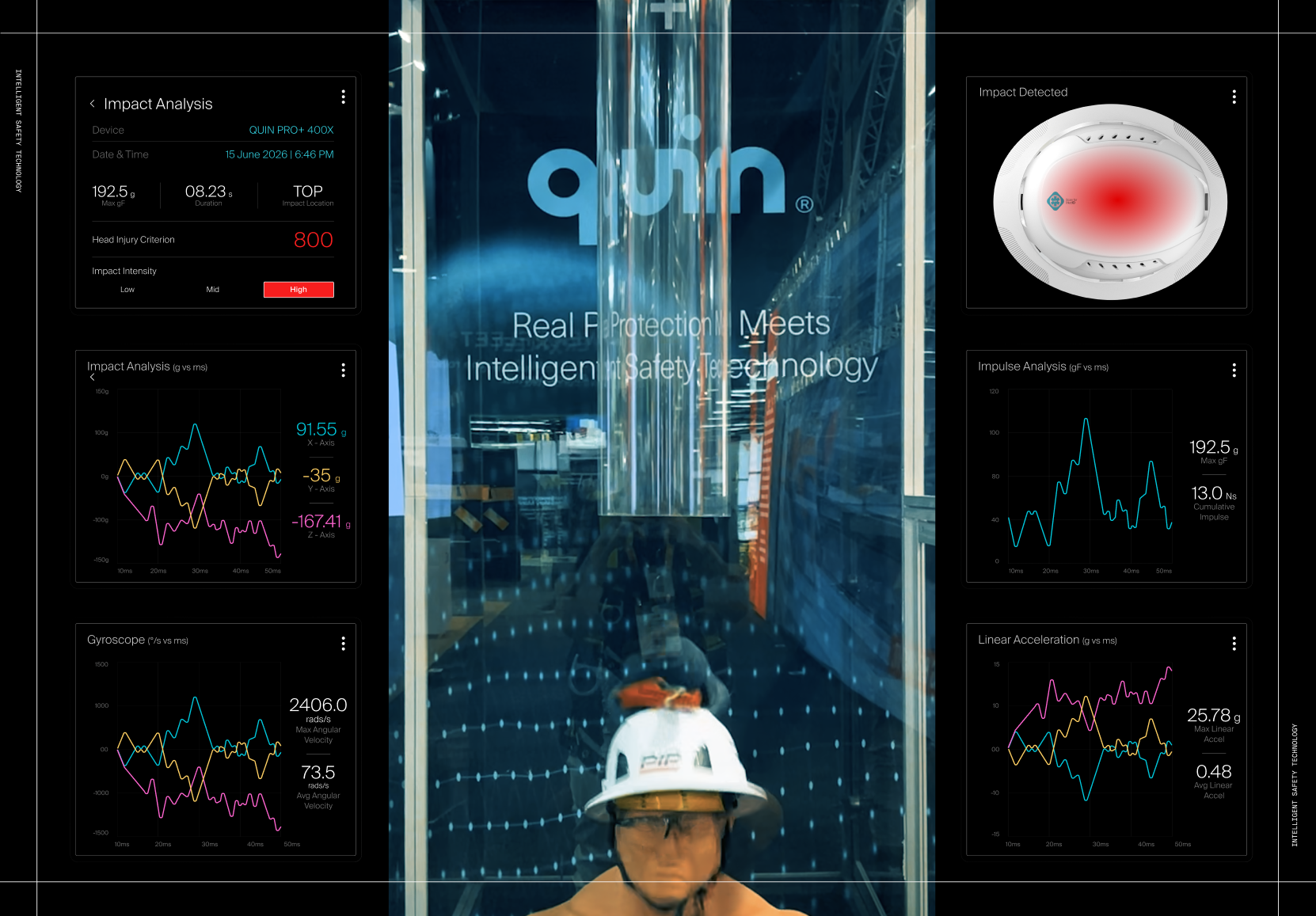
At the recent American Society of Safety Professionals Safety Conference & Expo 2026, Quin joined PIP Global Safety to demonstrate this concept in a live environment. Visitors to the PIP stand saw everyday construction items dropped onto a helmet fitted with Quin technology, showing how connected PPE can detect, measure and record impact events in real time.
One of the most interesting observations from the demonstrations was that perceived impact did not always match measured impact. Some objects that appeared relatively harmless generated higher impact forces than visitors expected, while others generated less. It reinforced an important point. Visual assessment alone cannot always determine the severity of an incident. Objective data provides the insight needed to make more informed decisions about worker safety.
The demonstration highlighted an important reality. Impacts happen regularly on construction and industrial sites, but very few are ever measured or analysed. Most organisations know when a serious injury has occurred. Far fewer know how many lower-level impacts workers experience throughout a typical day, week or month.
Without data, those events remain invisible. With data, they become opportunities to learn.
Turning Data into Prevention
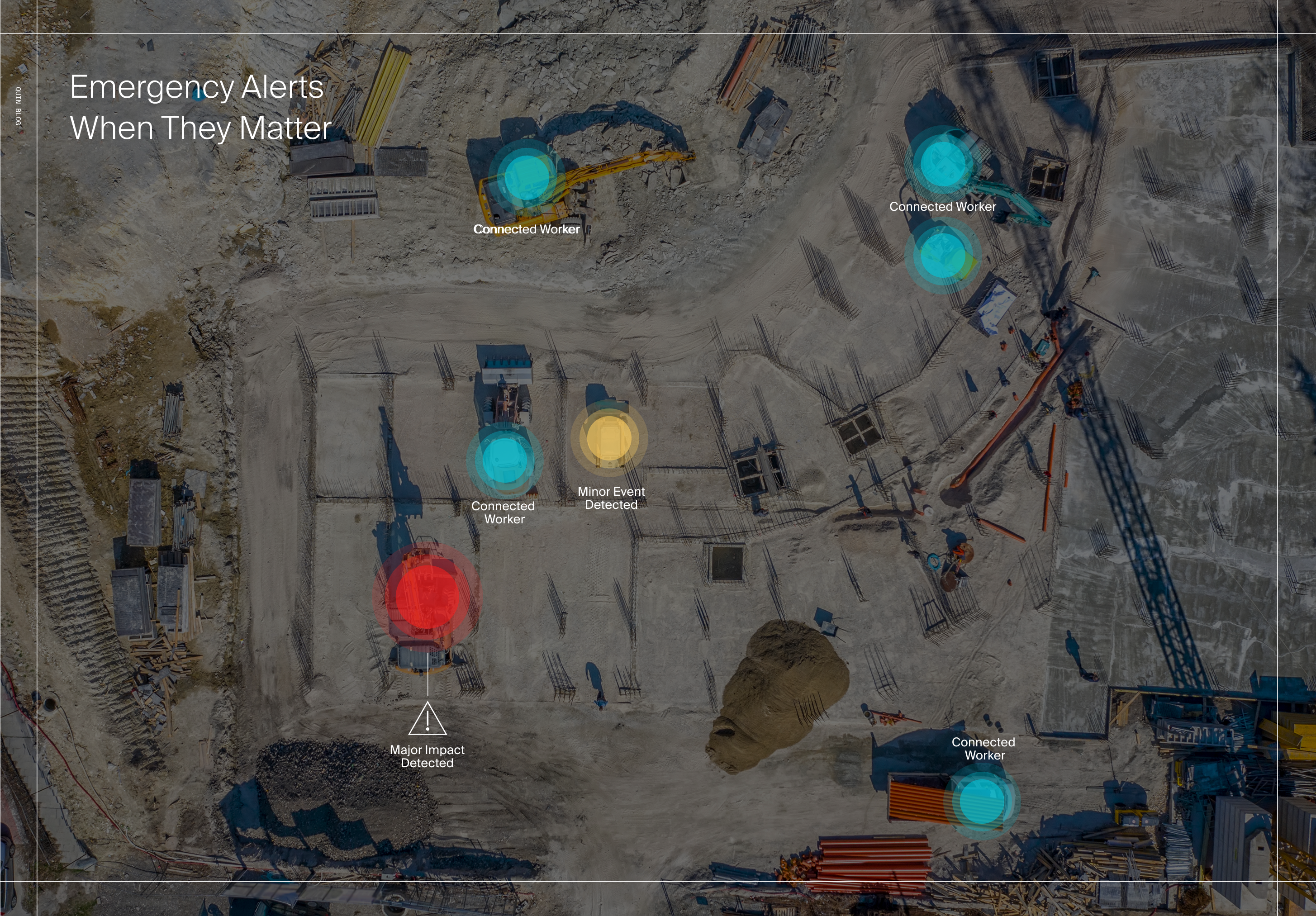
Capturing information is only the first step. The real value comes from understanding what the data is telling us. If multiple incidents occur in the same area of a site, it may indicate a housekeeping issue. If impacts are repeatedly recorded during a specific task, it may suggest a training requirement or a need for additional controls.
Patterns that would previously have gone unnoticed can become visible. Over time, this information helps organisations move from reacting to incidents towards preventing them.
This is where safety data becomes particularly valuable. It is not simply about recording what happened. It is about understanding why it happened and what can be done differently.
Building a Better Picture of Risk
Safety performance has traditionally been measured using lagging indicators such as accident rates, lost-time injuries, and reportable incidents. These metrics remain important, but they only tell part of the story. Leading indicators provide a different perspective by helping organisations identify risks before they result in harm.
Connected PPE can contribute to this by providing visibility into events that would otherwise go uncaptured. The more organisations understand what is really happening on site, the better equipped they are to make informed decisions.
Better information supports better safety outcomes.
The Future of Workplace Safety
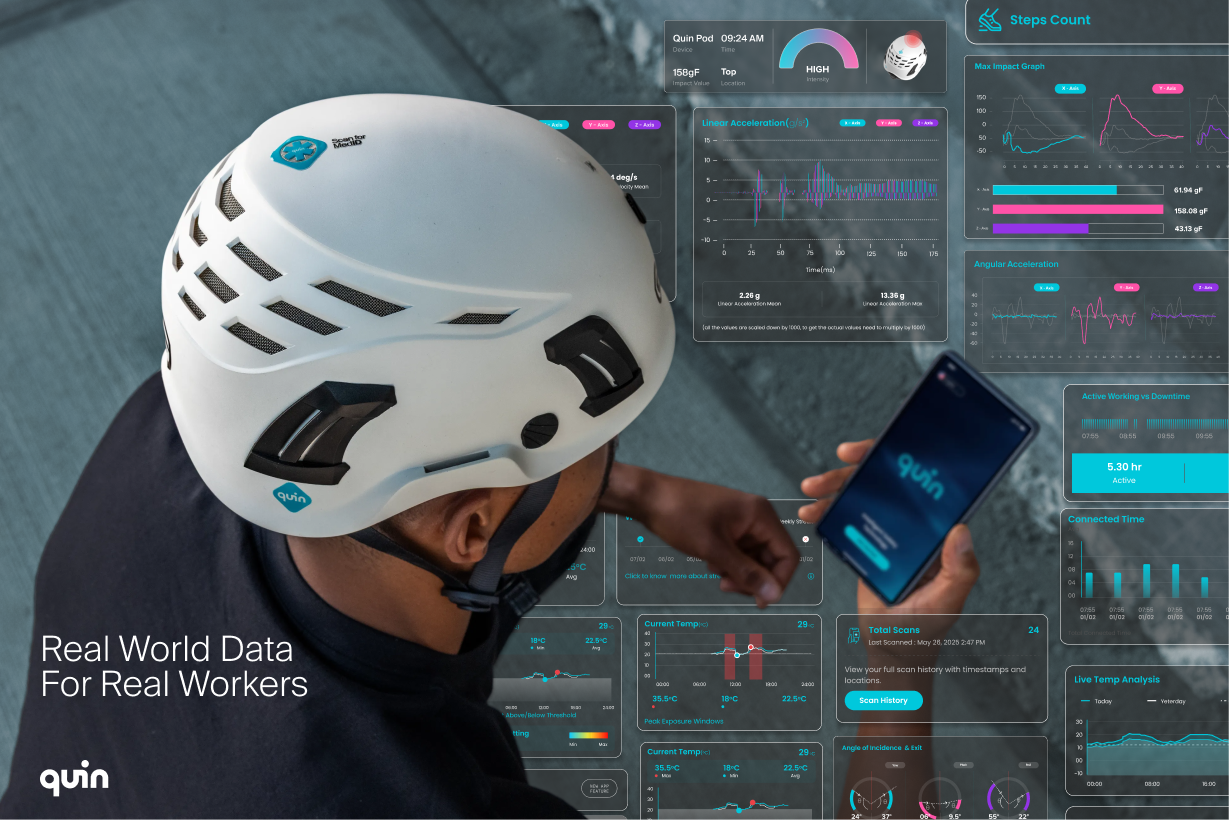
The future of workplace safety will be built on stronger leadership, better training and more informed decision-making. Connected technologies add another layer by providing objective data that helps organisations understand risks as they develop, respond with greater confidence and continuously improve safety performance.
Rather than relying solely on observations or assumptions, safety teams can access real-world insights into what is happening on site. Every detected event adds to a richer picture of workplace risk, helping organisations identify trends, improve PPE strategies and make evidence-based decisions that better protect their workforce.
For many organisations, the next step in safety improvement will not come from investigating the incidents they already know about. It will come from understanding the incidents they never knew were happening.
Every slip, trip, impact and near miss has a story to tell. The organisations that learn from those stories will be the ones that build safer workplaces for the future.
Subscribe to the Quin Safety Intelligence Newsletter for more PPE insights.