

How Smart PPE Supports Lone Workers and the People Responsible for Them
Lone working is no longer limited to specialist roles or remote locations. It is now common across construction, utilities, facilities management and infrastructure. People are working alone on night shifts, in temporary works, in confined spaces, and on spread-out sites where visibility is limited, and help is not close by. This shift places new demands on organisations responsible for safety. Workers may be out of sight for long periods, often across multiple locations, while expectations around rapid response and duty of care continue to rise.
Risk Is Familiar. Response Is Not
The risks themselves are well understood. Slips, trips, falls, impacts, and sudden medical events have always been part of high-risk work. What changes with lone working is the response window. When no one else is present, incidents can go unnoticed. Delays in response can quickly turn manageable injuries into serious outcomes, particularly where head injury, loss of consciousness or restricted movement is involved.
Where Traditional Lone Worker Systems Fall Short
Many lone worker systems still rely on individuals. Scheduled check-ins, phone calls, and end-of-shift confirmations all assume the worker can respond.
These approaches can work in routine situations. They offer little protection when someone is injured, disoriented, or unconscious, when timely intervention matters most.
Smart PPE Changes Who Carries the Burden
Smart PPE shifts responsibility away from the individual and towards the equipment they already wear. Instead of relying on someone to raise the alarm, the PPE itself can step in when something goes wrong.
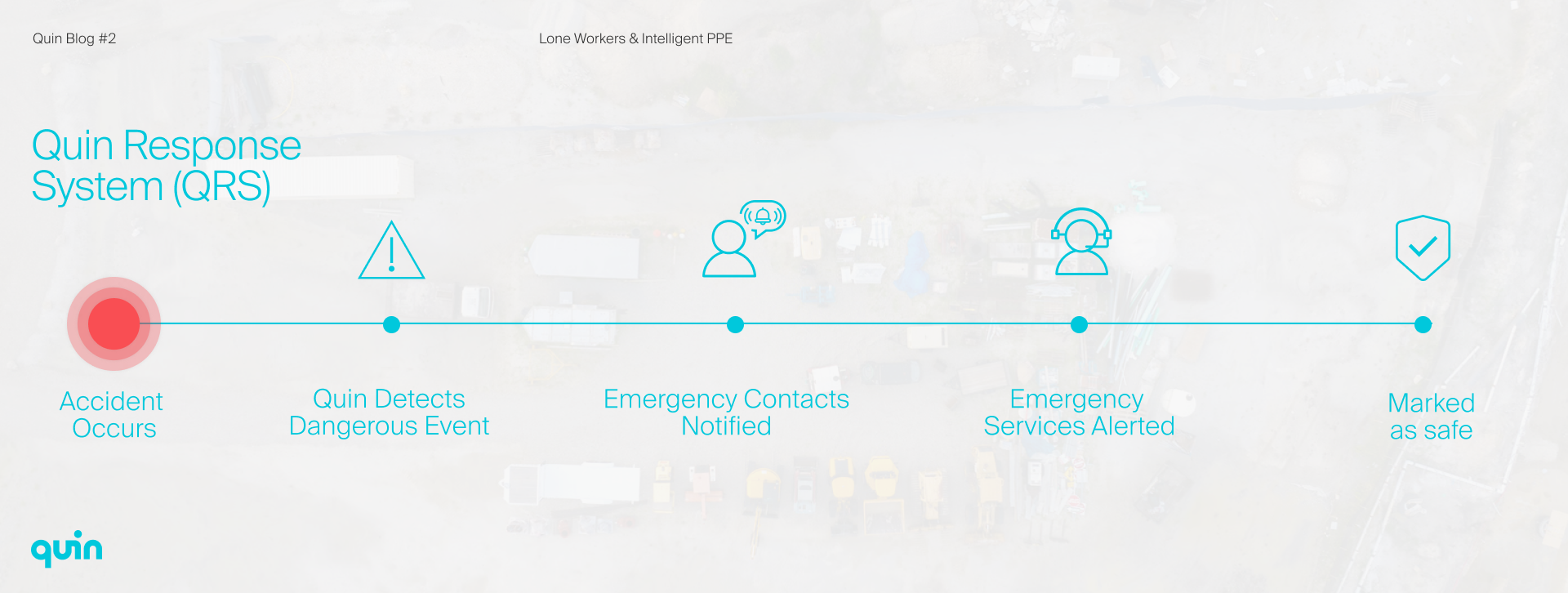
The Quin Pod is designed to detect events commonly associated with lone work, such as falls, impacts and sudden dangerous movement. When a serious incident occurs, alerts can be triggered automatically and critical information shared with emergency contacts or response services.
For lone workers, this removes a major vulnerability. Help can be summoned even when they cannot reach a phone or call for assistance, reducing the risk of serious incidents going unseen or unmanaged.
Better Data, Not Big Brother
Quin’s approach is not about monitoring individuals. It is about understanding risk, setting clear parameters and getting people help when it matters most.
Data is created only when something significant happens or when an expected return does not occur. The focus stays on safety events, not on individual behaviour.
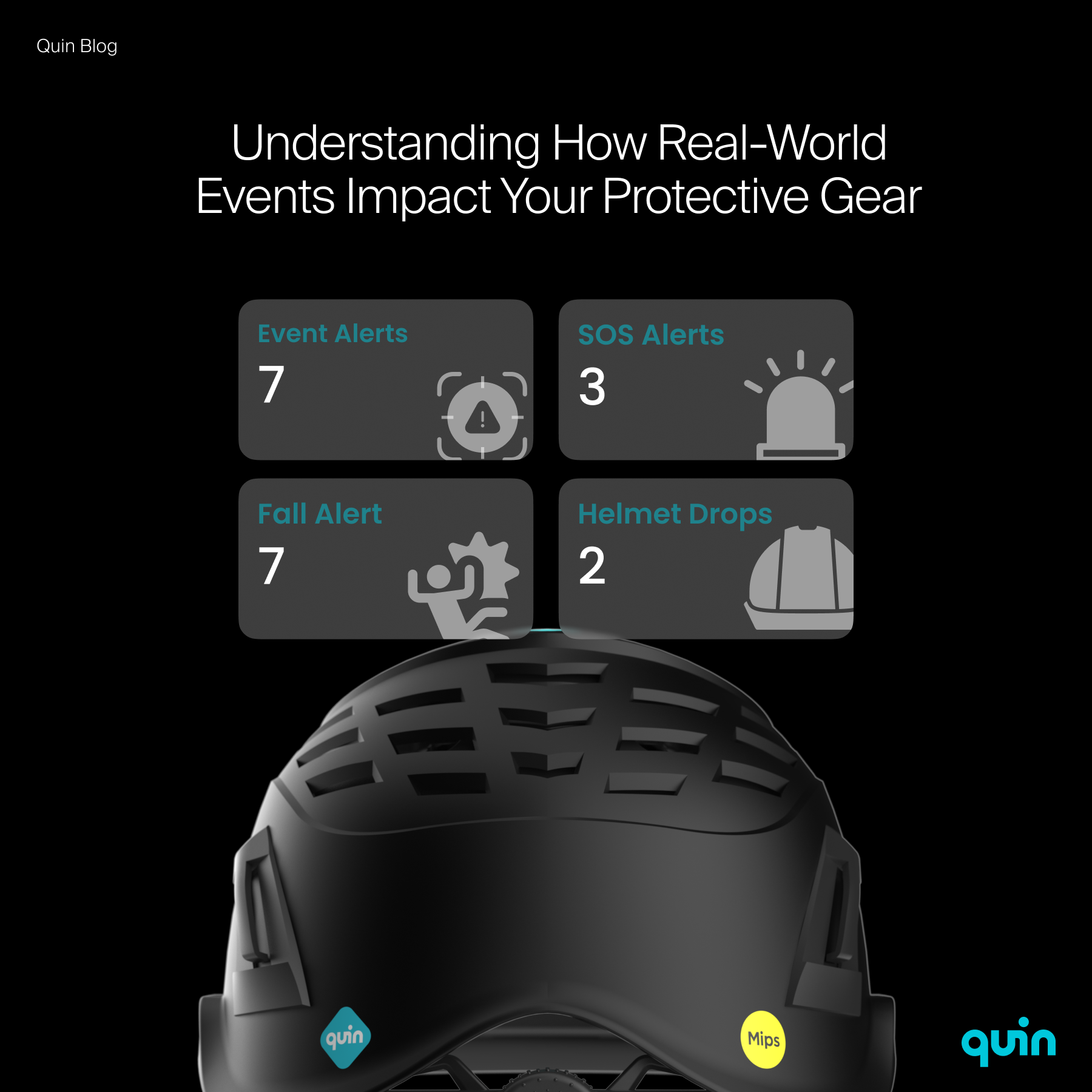
Over time, this data helps create a more complete and anonymised picture of what is really happening on worksites. It allows employers to identify recurring hazards, supports evidence-based improvements by safety teams, and gives PPE manufacturers insight into real-world conditions rather than assumptions.
This provides practical awareness without constant oversight. It becomes easier to understand when intervention is needed, where incidents are occurring, and whether certain risks recur, without creating a culture of being watched.
From Detection to Rapid Response
This is where smart PPE changes the equation. When a dangerous event occurs, Quin does not wait for someone else to notice or raise the alarm.
The system is designed to automatically trigger alerts, notify designated contacts and professional emergency services, and share critical information in real time. On a busy site, this removes reliance on witnesses to assess the situation or relay details under pressure.
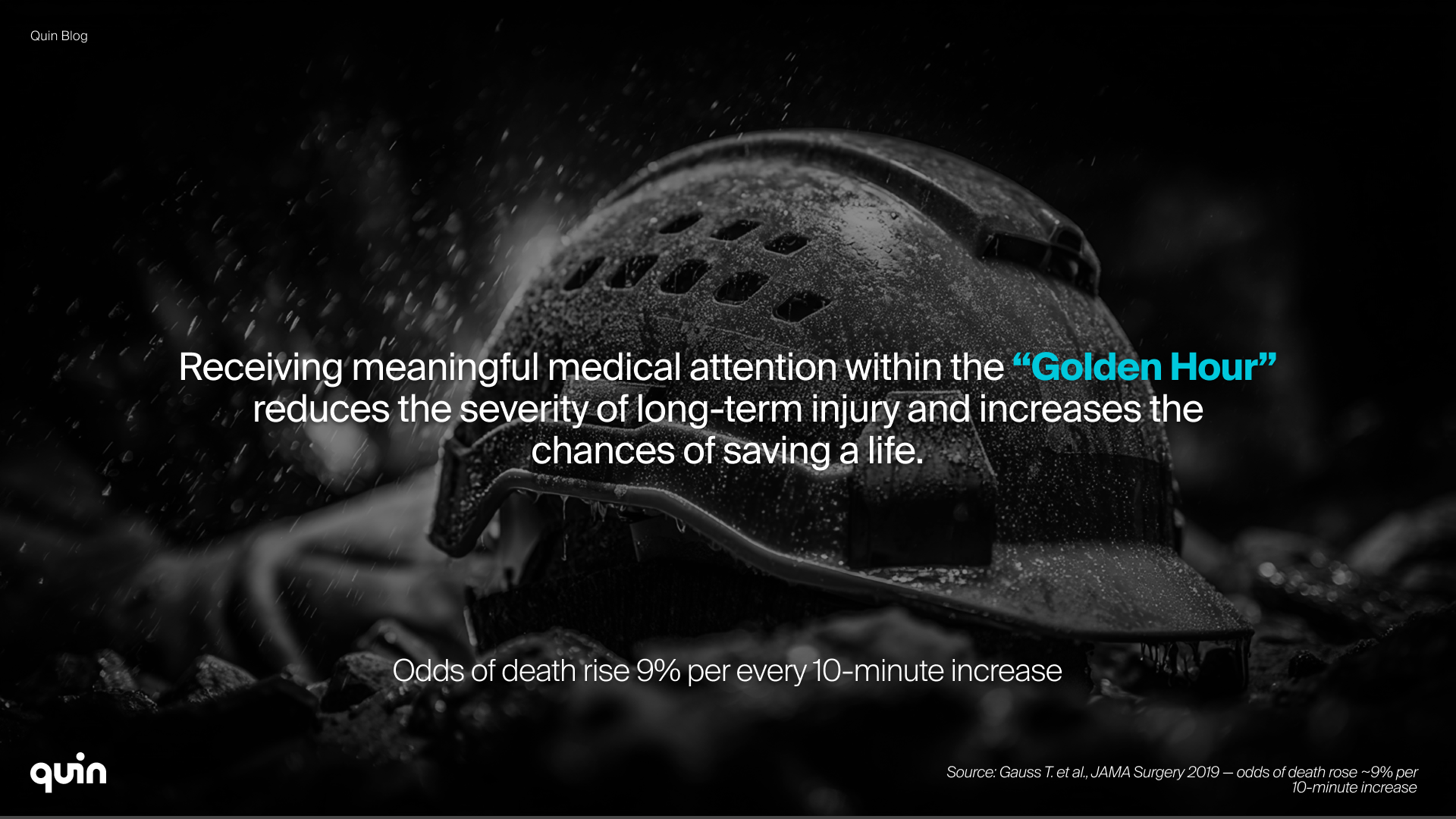
For lone workers, it can mean the difference between waiting unnoticed and receiving rapid assistance. For organisations, it supports faster, more informed response when seconds matter.
The Incidents You Never See
Many lone worker incidents never appear in reports. Minor falls, near misses and moments where someone recovers alone are often forgotten or dismissed. Each of these events still signals risk. Each one represents an opportunity to prevent something more serious in the future.
Smart PPE captures these signals quietly and consistently. The aim is not to blame, but to understand patterns and reduce exposure to harm. For organisations managing dispersed teams, this insight is increasingly important.
Turning Insight into Impact
Intelligent PPE creates a shift from reactive response to informed prevention. Incidents are detected instantly, help arrives faster with better context, and near misses can highlight preventive opportunities. Data reflects reality rather than gaps in reporting. Safety decisions are driven by evidence, not assumptions.
Looking Ahead
Lone working will continue to increase as industries adapt their operations. What can change is how supported those workers feel and how informed safety teams are.
Embedding intelligence into PPE allows protection without constant supervision or intrusive monitoring. It brings confidence that lone workers are not truly alone, even when they are out of sight.
By combining trusted industry reporting with anonymised, real-time incident data captured directly from the job site, Quin helps build a complete and reliable picture of risk. Over time, this growing body of insight will enable employers, safety professionals, and PPE manufacturers to make better-informed decisions, improving worksites, refining equipment, and raising safety standards across the industry.
Subscribe to the Quin Safety Intelligence Newsletter for more PPE insights: