


The Shift from Incident Reporting to Safer Decisions
RIDDOR is the framework that underpins how workplace incidents are reported in the UK. It stands for the Reporting of Injuries, Diseases and Dangerous Occurrences Regulations, and it defines what must be reported, how it should be reported and who is responsible for doing it.
Employers, self-employed people and those in control of work premises are legally required to report certain incidents to the Health and Safety Executive (HSE). These include specified injuries such as fractures or loss of consciousness, work-related diseases, dangerous occurrences and incidents that result in more than seven days away from normal duties.
This reporting system plays a central role in how workplace safety is measured and understood. The data collected is used by the HSE to identify trends, highlight emerging risks and shape both policy and enforcement activity across the UK, while also allowing organisations to benchmark performance and assess where improvements are needed.
However, this model has a clear limitation, as RIDDOR only captures incidents that are recognised, recorded and reported, and it does not reflect everything that actually happens on site when events go unnoticed or unreported.
This gap is now under review, with the HSE launching a major consultation in April 2026 to improve definitions, simplify reporting and make the system more accurate, highlighting a wider challenge around how safety data is captured in practice.
The gap between incidents and reporting
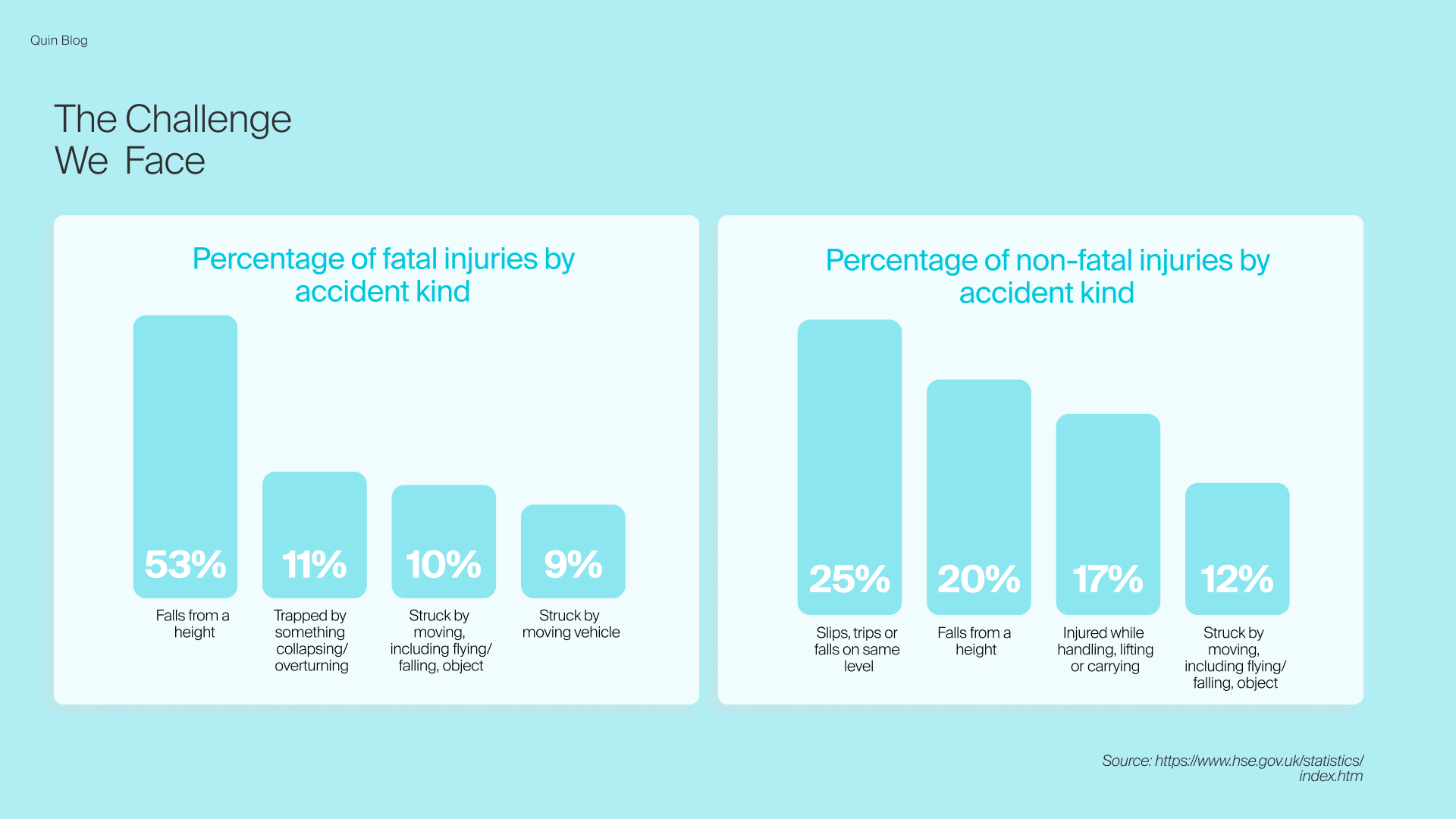
Most workplace incidents occur during routine activities rather than under controlled conditions, which means they are often missed at the point of occurrence. A worker may slip, trip or experience a head impact and continue working without recognising the significance of the event.
This is particularly relevant for head injuries, where symptoms can be delayed and where workers may not report minor impacts that still carry risk.
As a result, a large proportion of real-world incidents never enter formal reporting systems, leaving near misses, low-severity events, and repeated risks unrecorded. Traditional PPE protects at the moment of impact, but it does not provide any visibility into what has happened or create a record that can be analysed later.
"The level of overall employer reporting of RIDDOR-defined non-fatal injuries to employees is estimated at around a half."
HSE Non-Fatal Injuries At Work · https://www.hse.gov.uk/statistics/causinj/overview.htm
This means that for every incident that is formally reported, another may go unrecorded. These are not always major events, but they still matter. Near misses, low-severity impacts and repeated exposures all contribute to risk over time. When this data is missing, safety teams are working with an incomplete picture, which limits their ability to identify patterns, act early and prevent future incidents.
Why reporting alone is not enough
The RIDDOR consultation focuses on improving reporting processes, but reporting will always depend on human action. Someone must recognise the incident, decide it is reportable, and complete the process accurately, which introduces delays and inconsistencies. This creates a disconnect between real-world activity and recorded data, meaning safety decisions are often based on partial information. When incidents are missed or underreported, patterns cannot be identified, and risks remain.
From reporting to real-time detection
Closing this gap requires a shift from reporting incidents after they happen to detecting and recording them in real time.
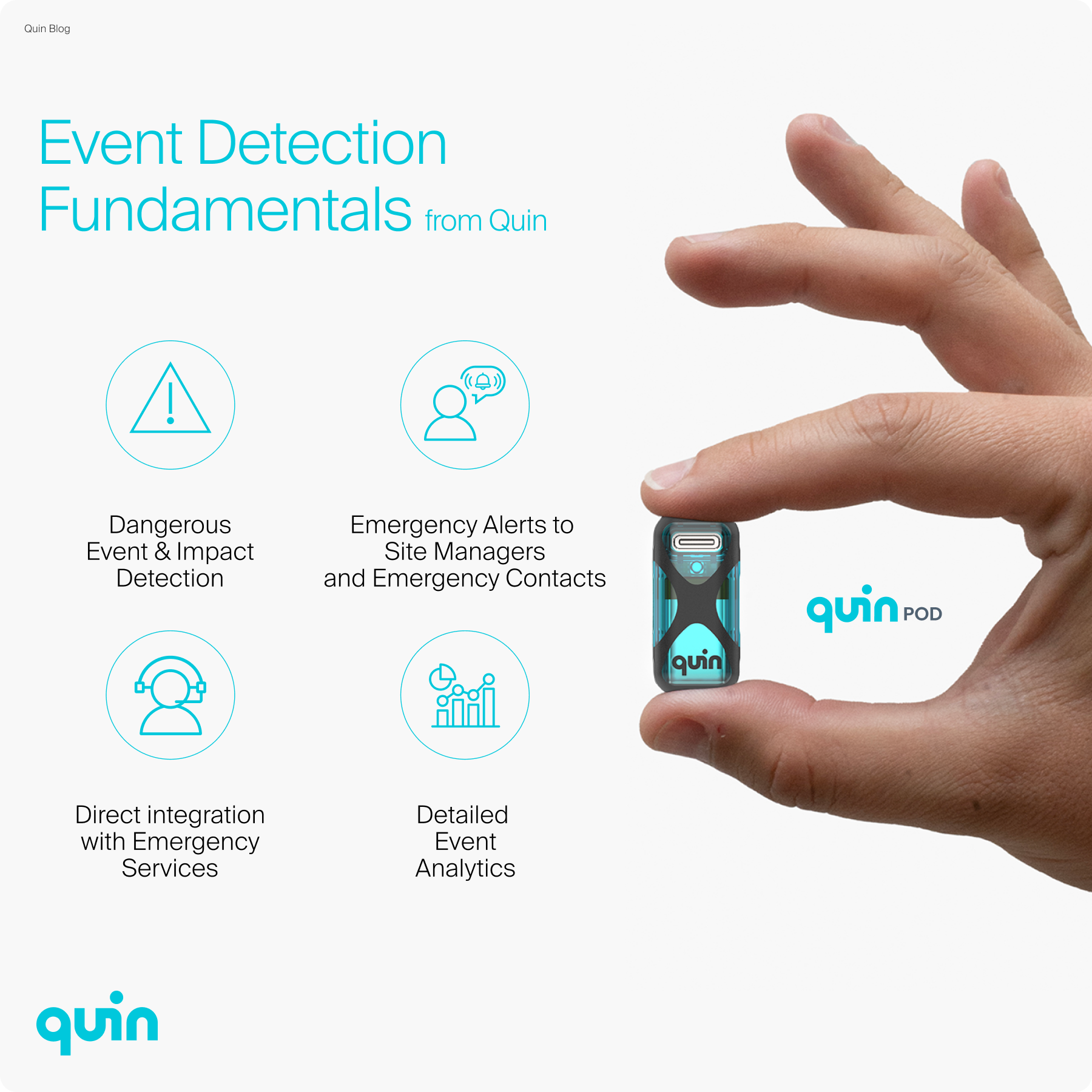
The Quin Pod is designed to do exactly this by embedding motion and impact sensors directly within PPE, transforming it from passive protection into an active source of safety data. It continuously records movement data at a rate of up to 6,600 times per second, allowing it to detect dangerous events such as slips, trips, falls, and collisions with a high level of precision.
This level of data capture enables the system to distinguish between normal activity and genuine incidents, using intelligent algorithms trained on real-world motion patterns to verify events before action is taken.
When a significant event is detected, the Quin Pod automatically triggers alerts to designated emergency contacts and shares real-time information on the incident, including severity, location and conditions. This removes the reliance on the individual to report the incident and ensures that critical events are captured as they happen.
The system also integrates with emergency response services across multiple regions, enabling faster, more informed intervention when required, particularly in situations where a worker may be unable to communicate.
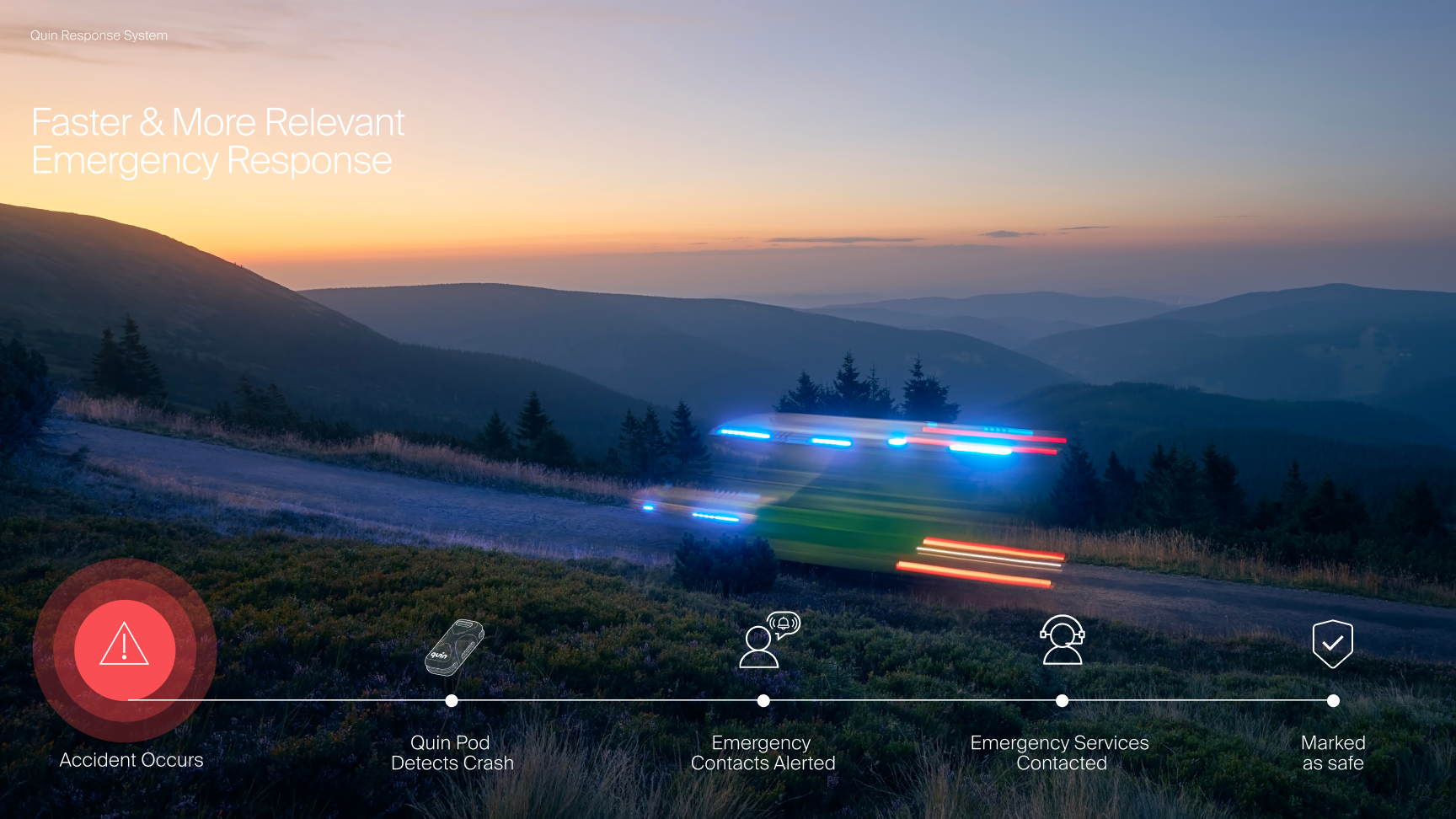
For UK users, this directly impacts reporting quality, as incidents are captured with accurate, time-stamped data that supports more complete and reliable RIDDOR reporting. Instead of relying on memory or delayed input, safety teams have access to verified event data that reflects what actually occurred.
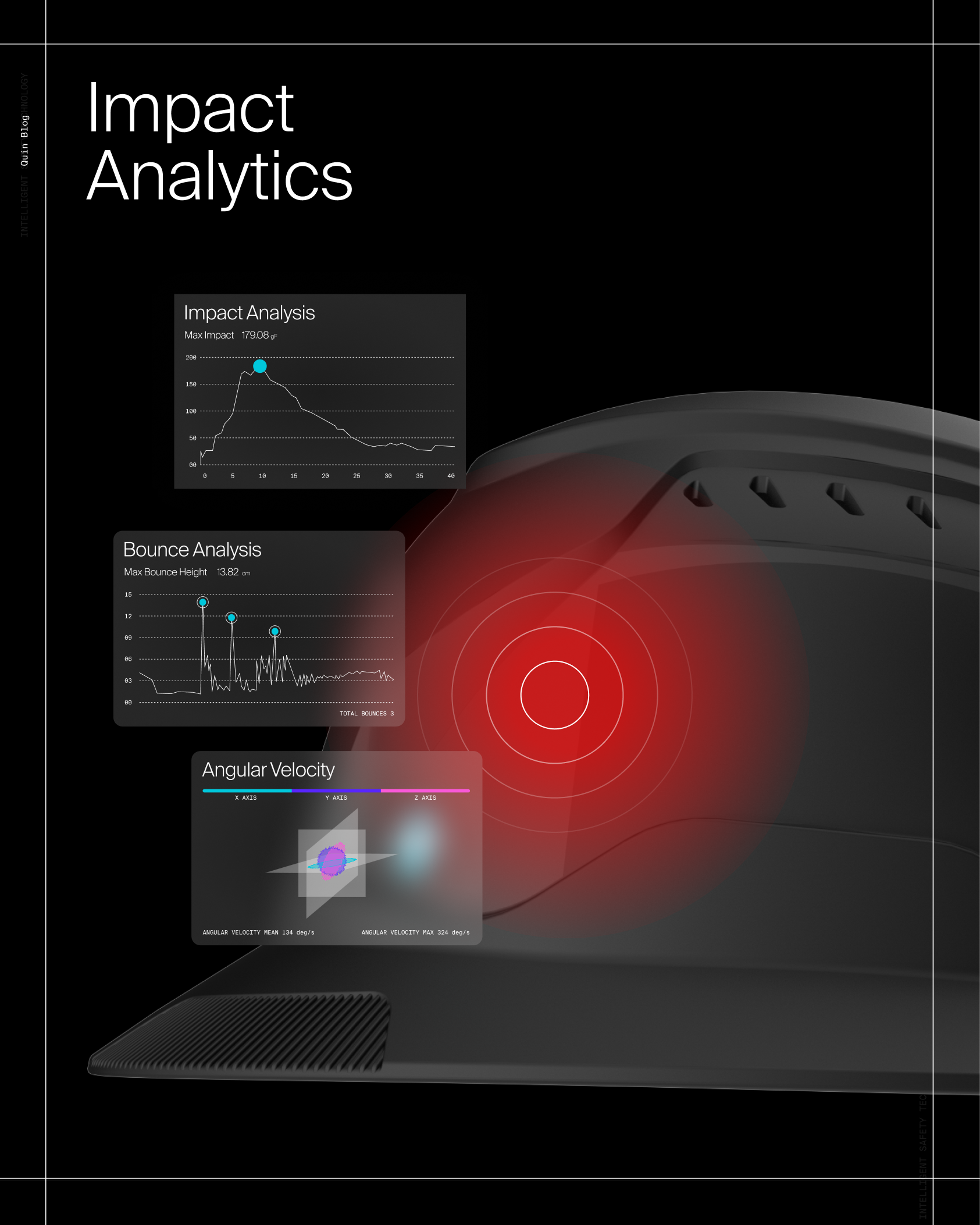
Alongside detection and alerts, the Quin Pod generates detailed impact data that goes beyond confirming an incident has occurred. It captures information on force, motion and context, providing insight that can support post-incident assessment and help identify patterns across sites over time.
Connecting data across the safety system
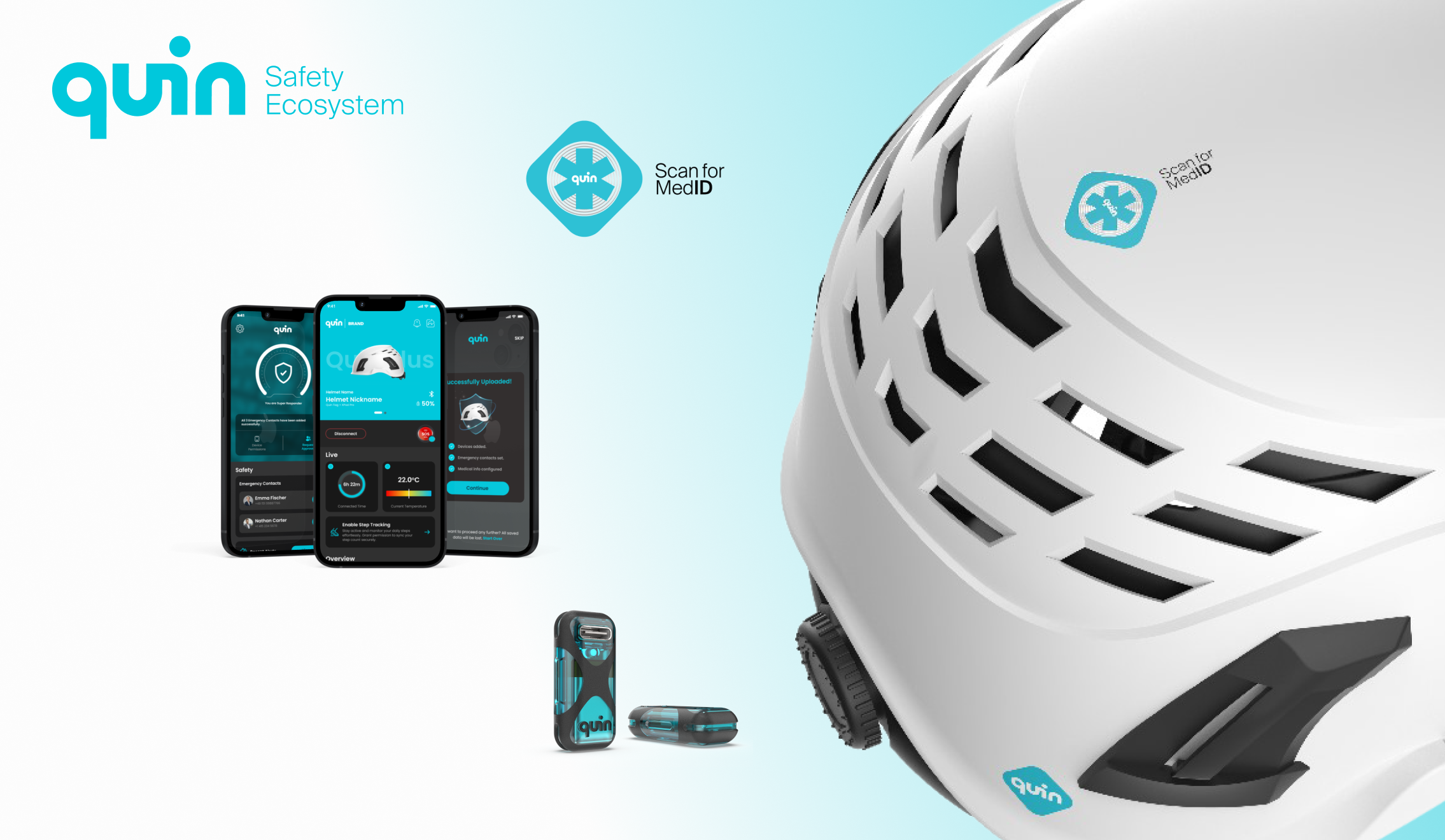
The Quin Pod forms part of a connected system that extends beyond detection. The Quin Within app acts as the central hub, logging every detected event and building a dataset that can be analysed over time. This includes incidents that may not meet formal reporting thresholds but still provide valuable insight into risk patterns and site conditions.
The Quin Tag adds a further layer by storing critical medical and contact information directly within PPE, allowing responders to access key details instantly in an emergency, even if the worker is unable to communicate.
Together, these elements create a connected safety system that captures, shares, and applies data in ways that traditional PPE cannot.
What better data looks like in practice
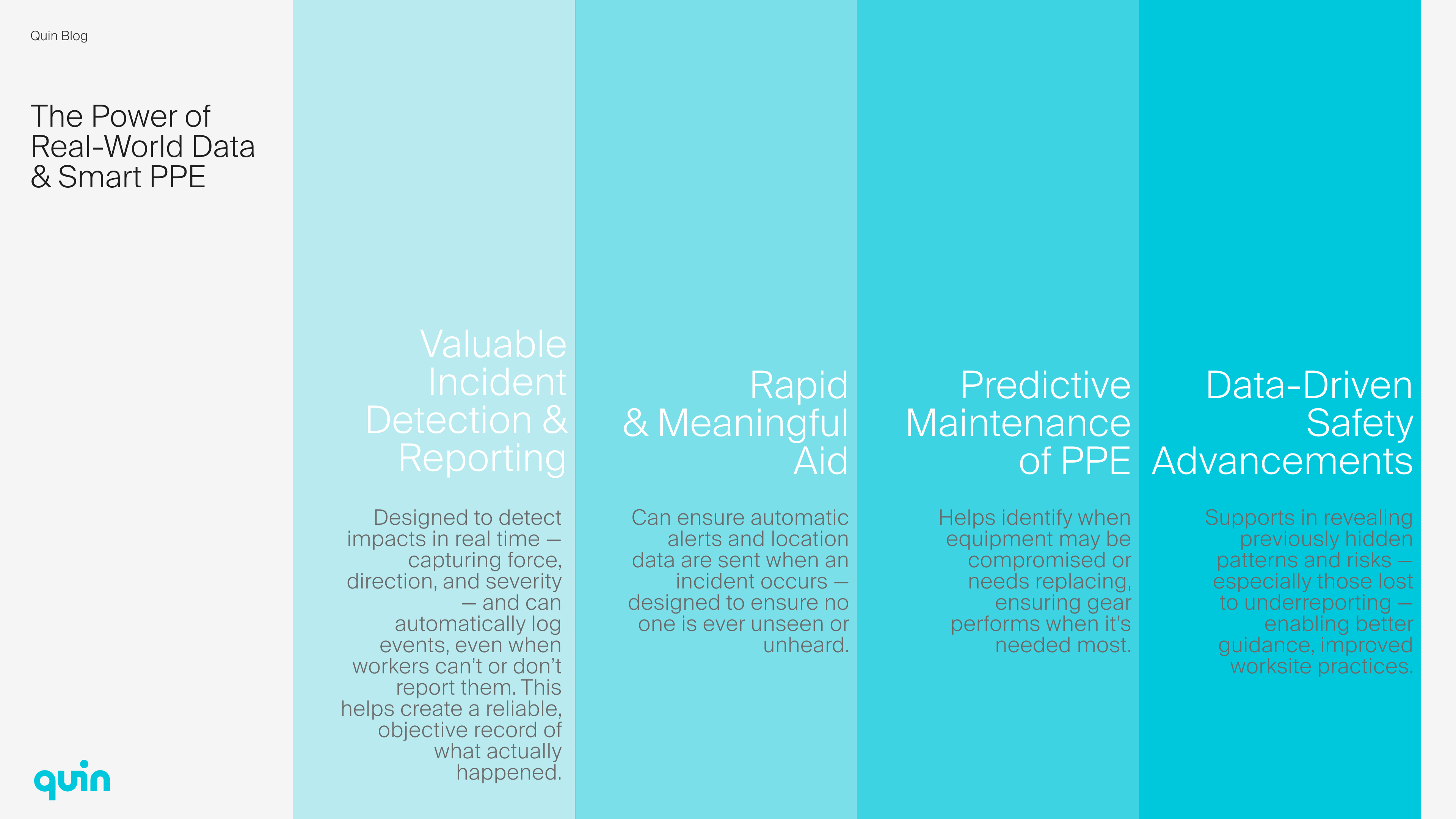
When incidents are automatically detected and consistently recorded, the quality of safety data improves. Response times are reduced because alerts are triggered immediately, while decision-making becomes more accurate as safety teams work with real data rather than assumptions.
Over time, this data reveals patterns that would otherwise remain hidden, including repeated incidents at specific locations, risks associated with certain tasks, and cumulative impacts on individual workers. In the context of head protection, this allows organisations to track exposure to repeated impacts and take action before serious injury occurs.
This approach shifts safety from a reactive model, where action follows a reported incident, to a more proactive model where risks can be identified and addressed earlier.
Aligning with the direction of regulation
The RIDDOR consultation reflects a need for clearer and more effective reporting, but it also highlights the limitations of a system that relies entirely on manual input. As definitions evolve and reporting processes improve, there is an opportunity to strengthen data capture at the source. Technology that detects and records incidents automatically aligns with this direction by supporting more complete, accurate and consistent reporting.
What this means for safety leaders and PPE manufacturers
For health and safety leaders, access to real-time incident data changes how risk is managed. It allows for more accurate assessments, more targeted interventions, and a stronger evidence base for decision-making. For PPE manufacturers, expectations are shifting towards solutions that combine protection with insight. Embedding detection and data capture into equipment creates additional value and supports better outcomes across the workplace.
The next step in workplace safety
The RIDDOR consultation highlights the importance of accurate reporting, but it also reinforces a broader point: safety systems depend on the quality of the data behind them.
By moving from incident reporting to real-time detection, organisations can close the gap between what happens and what is recorded. This creates a more reliable foundation for improving safety, reducing risk and protecting workers more effectively.
The focus is no longer just on recording incidents after they occur, but on ensuring that every relevant event is captured, understood and used to prevent the next one.
Subscribe to the Quin Safety Intelligence Newsletter for more PPE insights: https://www.linkedin.com/newsletters/quin-s-safety-intelligence-7406326644795199488/